Two kinds, one habit
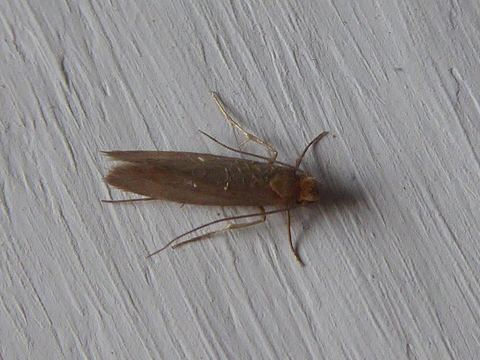
Queensland Museum names two clothes moths that cause damage: the casemaking (or case-bearing) clothes moth and the webbing clothes moth. The Australian Museum says the case-bearing one is about 1 cm long and gets its name from the open-ended silk case its larva lives in and drags around while it feeds.
The Australian Museum says Sydney's two common clothes moths were both introduced by accident. The adults generally avoid light and prefer the dark of a wardrobe or drawer, so a moth that flutters out when you open the door is a fair hint about where to look.
The signs, from small to obvious
Larvae are creamy white with dark heads, about 12.5 mm long when fully grown, according to the Western Australian Museum. Larval cases turn up inside things like felt hats, along with their droppings, called frass. Pupal cases, small woven tubes, sometimes hang from bare walls or the ceiling.
Then the holes, in wool, silk, fur and feathers, which is usually what people notice first.
What they eat
Animal fibres. Queensland Museum lists wool, silk and fur, and the Western Australian Museum adds feathers, hair and skin. Long before wardrobes existed, the Australian Museum says, clothes moth larvae lived on feathers, fur, dead animals and wool.
Dirt matters. Larvae feed most on material that's dusty or dirty, and females prefer soiled fabric for laying eggs. A jumper put away unwashed after one wear is exactly what they're looking for.
Clothes moth or something else?
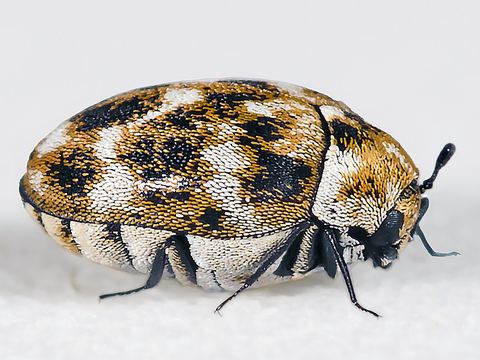
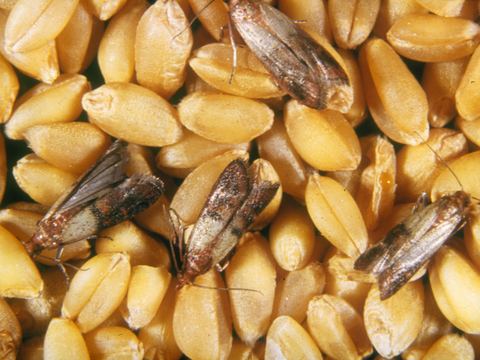
| Clothes moth | Pantry moth | Carpet beetle | |
|---|---|---|---|
| Where you see it | Wardrobes, drawers, stored wool | Kitchen, flying at dusk and dawn | Adults on windowsills |
| What eats | Larvae, often in a silk case | Larvae, in flour and grain | Hairy grubs |
| Leaves behind | Cases and frass (droppings) | Webbing in food | Shed hairy skins |
Getting rid of moths in the wardrobe
You can
- Wash or dry-clean woollens before you store them, as Queensland Museum advises keeping stored items clean.
- Check stored clothes and rugs fortnightly in hot, humid weather and monthly when it's cooler and drier.
- Vacuum wardrobe floors, drawer corners and under the bed, then empty the vacuum outside.
- Store clean wool in sealed bags or tubs, and shake out and air things you wear rarely.
Leave to a pest business
- Damage in carpets and rugs as well as clothes.
- Collections or heirlooms too valuable to experiment on.
- Moths still turning up after a full clean and a season of checks.

What we'd do about clothes moths
We'd take everything out, clean what's damaged or dusty and put only clean wool back, sealed. A pest business earns its keep when the moths are in the carpets too, or you can't find where they're breeding: tap Not sure what it is and say clothes moths.
Want someone to look at it?
Tell us what you've seen and your postcode, and a local pest business that handles exactly that calls you to talk it through.