Bites, stings and fire ants
Treat any big black spider bite as a medical emergency and call 000, healthdirect says. Keep well away from a wasp nest in the ground. In Queensland, suspected fire ants must be reported to Biosecurity Queensland within 24 hours; in NSW, report them to the NSW Biosecurity Helpline.
Spiders: which ones matter
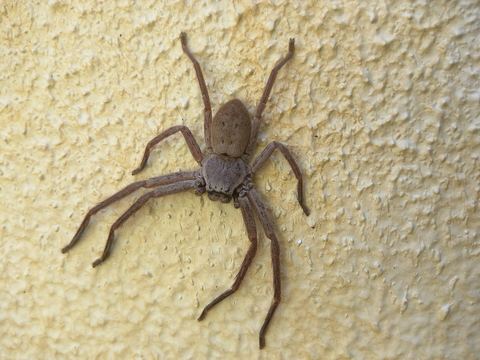
Most garden spiders can stay where they are. Golden orb weavers hang their webs in gaps between trees and shrubs where insects fly, wolf spiders are common in suburban lawns, and huntsman spiders live under loose bark and in rock walls, according to the Australian Museum.
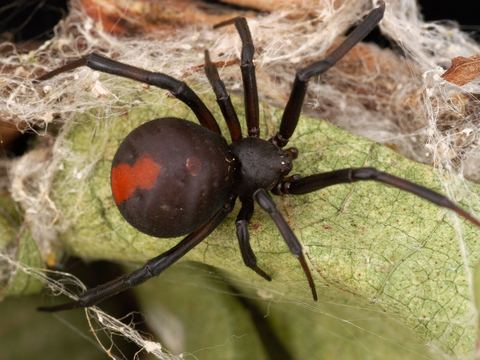
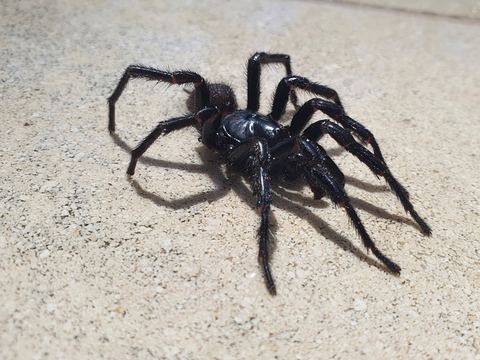
Three deserve more care. Funnel-webs dig silk-lined burrows in moist, shaded spots like rockeries, dense shrubs, logs and leaf litter, often with silk trip-lines around the entrance. Redbacks are common in sheds, under steps and logs, and around pools and rubbish piles. White-tailed spiders live under bark, rocks and leaf litter. Wear gloves in all of those places.
Wasps, bees and ants
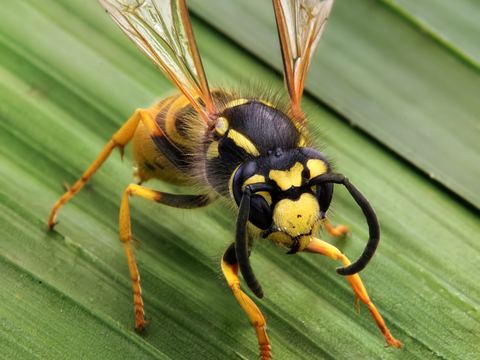
About 80% of European wasp nests are in the ground, says Victoria's Department of Health, and the wasps forage up to half a kilometre away, so the nest may be on a neighbour's property. The Australian Museum says they're drawn to meat, sweet food and drink. In WA, report European wasps to DPIRD rather than treating them. Paper wasps build open combs under branches and eaves, and let their back legs dangle as they fly.
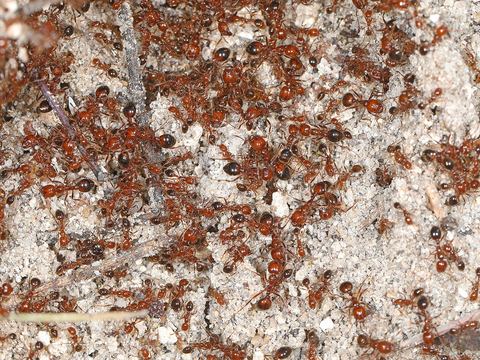
A bee swarm hanging in a tree is usually placid when left alone, Business Queensland says, and is a beekeeper's job. Fire ants nest in open areas such as lawns, often beside or under logs, rocks and pavers; their mounds can be up to 40 cm high or flat patches of disturbed soil with no obvious holes. Green-head ants nest in soil at the base of shrubs, and carpenter ants in decaying wood, soil and between rocks.
Mosquitoes, ticks and the damp-lovers
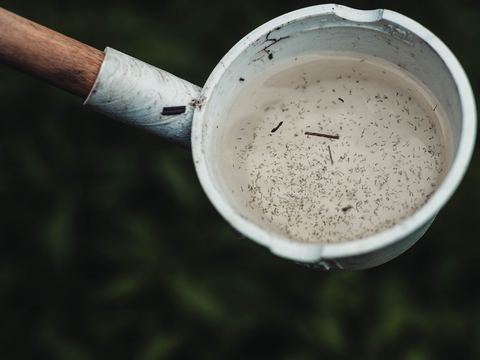
NSW Health says mosquitoes breed in backyard water holders: buckets, tyres, toys, bird baths, pet bowls, pot plant bases, blocked gutters and unscreened rainwater tanks. Tipping those out is the first job, before any spray.
The paralysis tick is found along the east coast, and NSW Health Pathology says you're most likely to meet the dangerous adult from September to December. For an attached tick, NSW Health advises freezing it with an ether-based spray from a pharmacy, and not squeezing it or trying to pull it out.
Centipedes live in leaf litter, compost and under logs and sometimes wander inside after rain; earwigs shelter in moist spots under bark and stones; and millipedes turn up under cushions, pot plants and washing baskets. See earwig and millipede control if they're coming inside in numbers.
Garden jobs that cut the numbers
You can
- Tip out water from pot bases, buckets, toys and bird baths, and clear gutters.
- Stack firewood and timber off the ground, away from the house.
- Keep mulch and leaf litter pulled back from the walls.
- Wear gloves to move pots, rocks and anything stored in the shed.
- Cover food and drinks outside in late summer.
Leave to a pest business
- Any wasp nest, especially one in the ground or a wall.
- Funnel-webs or redbacks you keep finding near play areas.
- Ant nests that come back after you've cleaned up.
- Termites in a stump, sleeper or fence near the house.

What we'd do about pests in the garden
We'd skip the blanket spray and start with the yard: tip out the water, lift the woodpile off the ground, and wear gloves in the shed. Then we'd call about the things that need it: a wasp nest, funnel-webs near the house, or ants that won't quit. Fire ants in Queensland or NSW we'd report first.
Want someone to look at it?
Tell us what you've seen and your postcode, and a local pest business that handles exactly that calls you to talk it through.