How to recognise an earwig
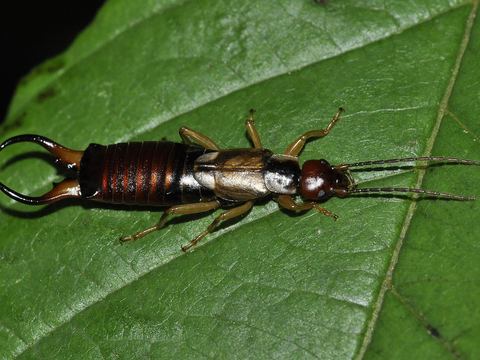
Look at the back end. Every earwig has a pair of pincer-like forceps at the tip of its abdomen, on an elongated body anywhere from 5 mm to 50 mm long. Colour varies a lot: yellow, brown, reddish brown, dark brown or black, sometimes mixed.
Females are usually smaller than males and have simpler forceps. Both have short forewings, with large hindwings folded away underneath like a fan.
Which earwig is the problem?
Most of them aren't. The Australian Museum counts 85 described earwig species in Australia, with a similar number thought to be still undescribed, and most aren't significant pests. They're widespread, with the most species in the tropics and subtropics.
The exception is the European earwig, an introduced species that's common around suburban homes. The museum says it can be a serious pest of gardens and vegetable crops, and some native species become a nuisance when there are lots of them.
Where they hide, and what they eat
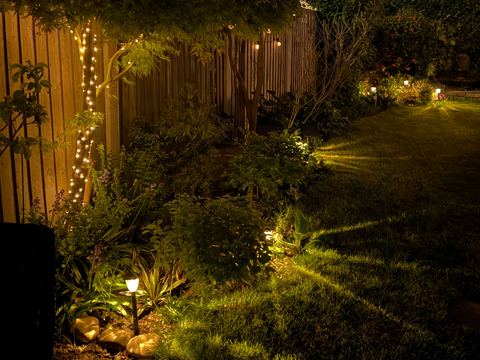
Earwigs shelter in protected, moist places: leaf litter, under bark and stones, and tucked between leaves. They're usually nocturnal and drawn to lights at night, which is how they end up on the porch, in the laundry or inside the back door.
They eat a wide range of living and decaying plant and animal material. That broad diet is why a vegetable patch can take a beating once numbers build up, and why a torch check at night is worth doing before you blame anything else.
Do earwigs hurt people?
None of the official sources we use describe earwigs as a risk to people. Many species do give off a noxious fluid to defend themselves, so wash your hands if you've handled one.
One more thing worth knowing: female earwigs guard their eggs and young nymphs in a short burrow, which the Australian Museum notes is unusual for an insect that doesn't live in a colony.
Before you call anyone
You can
- Go out after dark with a torch to check it's earwigs eating the seedlings.
- Turn off porch and garden lights you don't need at night.
- Rake leaf litter, loose bark and thick mulch back from the walls and doorways.
- Lift pots, bricks and timber off the ground near the house, where they shelter by day.
- Fix door seals and gaps under external doors.
Leave to a pest business
- Earwigs coming inside in numbers, night after night.
- Large numbers around the foundations, paths and paving that a general outdoor treatment can cover.
- Earwigs together with other crawlers, such as centipedes or millipedes.

Our take on earwigs
Earwigs in the garden are mostly a gardening job: less mulch against the walls, fewer lights on at night, and a torch check to be sure they're the culprit. Earwigs coming inside in numbers are worth a general outdoor treatment, and for that tap Not sure what it is and say earwigs.
Want someone to look at it?
Tell us what you've seen and your postcode, and a local pest business that handles exactly that calls you to talk it through.