Found something? Do this first
Leave it alone
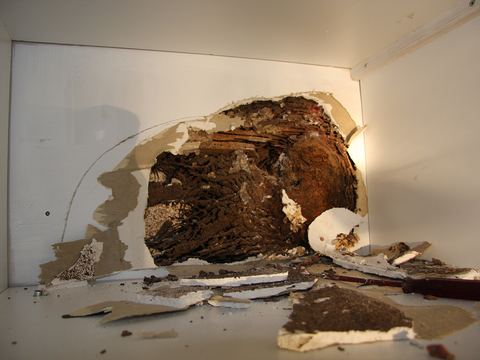
Don't poke, spray or break open the mud or the damaged wood. CSIRO notes that several control options depend on termites still being active where they were found, and WA Building and Energy warns against household sprays and pulling out infested timber.
Photograph it from where you stand
A few clear photos, with a coin for scale, help the termite inspector and give you a dated record.
Note where, and when
Behind a skirting board, on a subfloor pier, after a week of rain: details like these tell the inspector where to start.
Look in the meter box
Many newer homes carry a durable termite notice there, naming the termite system and the date it went in. Photograph that too.
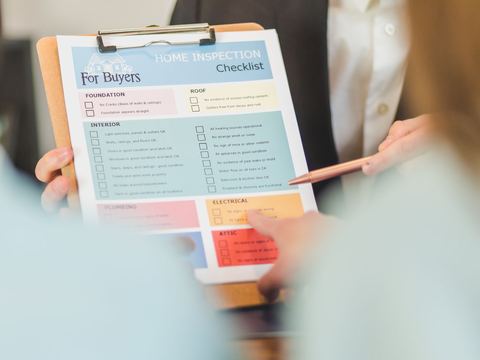
Get an inspection before any treatment
Tap Termites with your postcode. The inspection comes first, because what gets treated, and how, depends on what's found.
How do people usually discover termites?
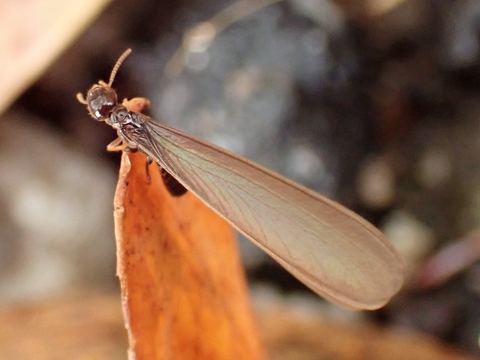
Mostly by the damage. In a CSIRO survey of Australian homes from 1996 to 1998, 86% of households with termites noticed damaged wood, 34% noticed mud tubes and just 8% noticed wings. It wasn't a random sample, but the order is telling: check timber and mud before you worry about flying insects.
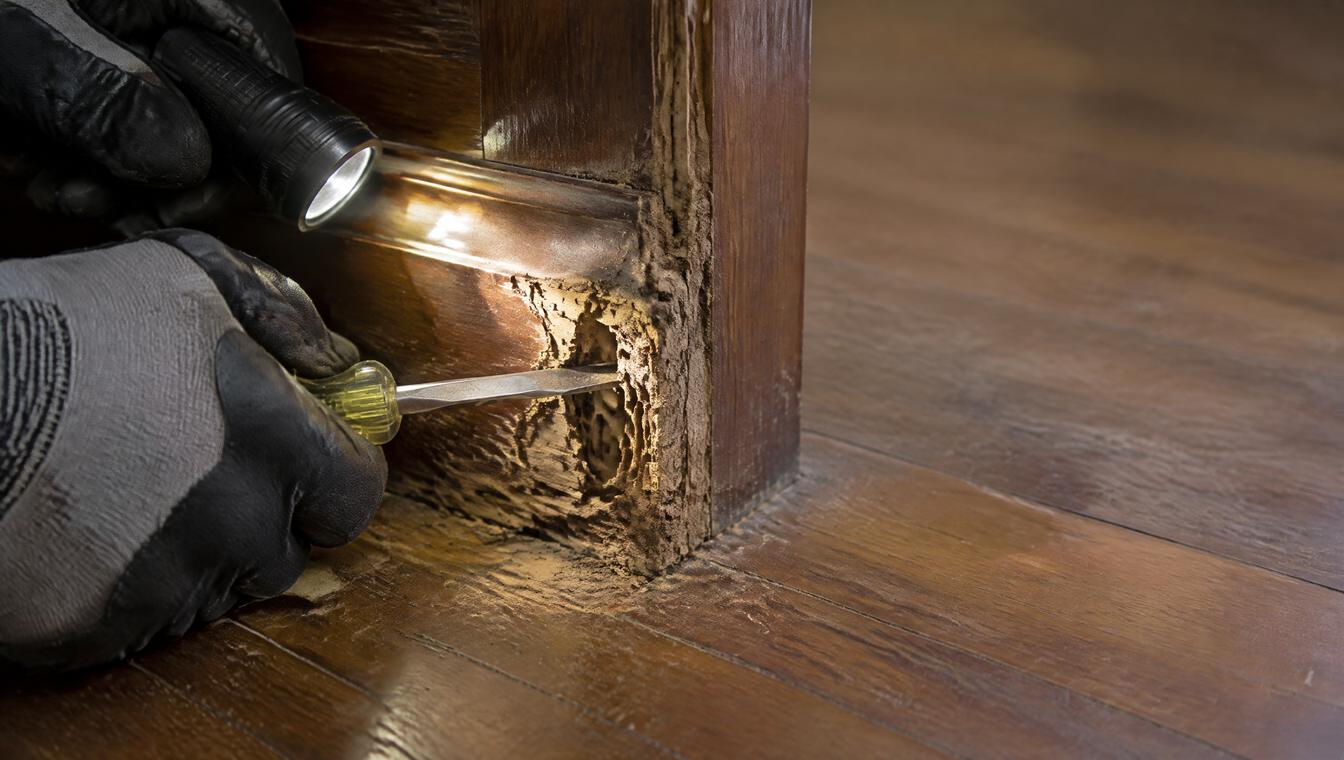
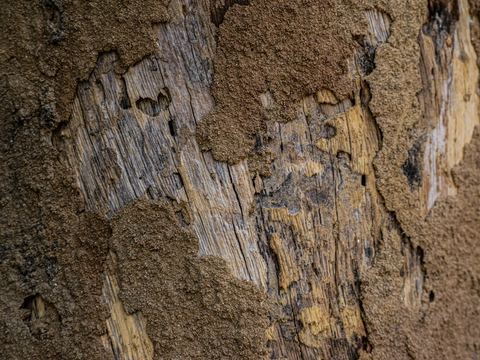
Subterranean termites travel inside mud shelter tubes built over brick, concrete and hard timber, to stay damp and out of the sun. Eaten timber can look sound from outside, because termites leave a paper-thin skin of wood; an inspector tapping it hears a dull, hollow note. Consumer Affairs Victoria adds blistered or bubbling paintwork to the list of signs.
Drywood termites leave different clues: small piles of gritty pellets, like sand or ground pepper, under tiny holes in the timber. More on telling them apart is in our guide to the signs of termites.
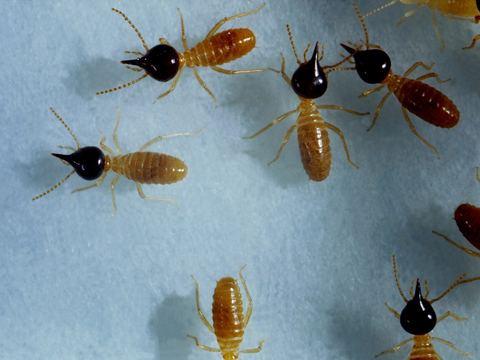
Termite or ant?
| Termites (white ants) | Ants | |
|---|---|---|
| Waist | None: thick from end to end | A narrow pinch between body sections |
| Antennae | Straight, like a string of beads | Bent at an elbow |
| Wings on the fliers | Two pairs of equal size, dropped soon after landing | Front pair larger than the back pair |
| Harm to sound timber | About 20 Australian species damage buildings | None: Victoria's Health department says ants can't damage sound timber |
What termite control usually involves
No single product fixes termites. WA Building and Energy describes treating an existing home as several jobs together: dealing with the termites in the timber, finding the nest where that's possible, putting a chemical or physical barrier back in place, and inspecting regularly afterwards.
So the usual order runs inspection, then treatment of the active termites, then a system to stop hidden entry, then regular checks. Each step has its own page: termite inspections, termite treatment, termite barriers and termite baiting.
Repairs to eaten timber come last, once activity has stopped, and they're normally a carpenter's or builder's job rather than the pest business's.
Can the nest be found and removed?
Sometimes, but it's often nowhere near the house. CSIRO says subterranean termites usually forage within 30 m of their nest and now and then 100 m or more, so the colony could be in a tree, an old stump or the yard next door.
WA Building and Energy mentions pest managers drilling into a tree trunk or timber and using temperature probes to help locate a nest. When it can't be found or reached, the termite inspector will talk through options that work on the termites coming to the house, such as baiting.
Which licence covers termite work, state by state
| Who holds the licence | What to ask about for termites | |
|---|---|---|
| NSW | Each technician, from the NSW EPA; never a business or business name | The timber pest management technician licence for timber pest treatments, needed by anyone first licensed or renewed after 17 December 2021 |
| Victoria | Each technician, from the Department of Health | The general authorisation including timber pests; the one excluding timber pests doesn't cover termites |
| Queensland | A pest management licence from Queensland Health, issued with endorsements such as timber pest control | A QBCC termite management licence class as well, chemical or physical, depending on the work |
| WA | The technician holds a licence, and the business must be registered with WA Health | The licence is endorsed with the kinds of treatment that person is qualified to do |
| SA | A Pest Controller's Licence for the business, and a technician's licence for each person applying pesticides | Our sources didn't confirm a separate termite category, so ask what their licence covers |
| ACT | An Environmental Authorisation from the ACT EPA | The ACT EPA requires specific training to use termiticides |
| Tasmania | A Commercial Operator Licence for the business, and a Certificate of Competency for technicians | An NCC note says termites aren't considered a risk in Tasmania |
| NT | A pest management technician licence under the Medicines, Poisons and Therapeutic Goods Act | The licence states which pesticides its holder may use |
Near the border, note that the NSW EPA accepts some interstate licences but not Queensland's. Each state page has the full rules and any public register: New South Wales, Victoria, Queensland, and the rest under locations.
Your part, and the termite inspector's
You can
- Get leaking pipes, blocked drains and roof leaks fixed quickly, because damp draws termites in.
- Keep garden beds, mulch and soil off the outside walls and clear of vents and weep holes.
- Stack firewood and spare timber off the ground, covered, and well away from the house.
- Keep nothing piled against the outside walls, where it can hide a way into the wall cavity.
- Keep subfloor vents clear so air keeps moving underneath.
Leave to a pest business
- Opening up walls, floors or damaged timber to see how far the termites have gone.
- Applying any termiticide or bait.
- Finding the nest, including in trees and the garden.
- Installing, repairing or topping up a barrier.
Ask before you agree to anything
- Which licence, and which endorsement or authorisation, covers your termite work in this state?
- Will I get a written inspection report, with photos of what you found and where?
- Which product will you use, by its full name, and where will it go?
- How will you deal with the colony, not just the termites in the timber?
- How often should the house be inspected after this, and will that be written down?
- What happens if activity turns up again, and can I have that in writing?

Where we'd start with termite control
We'd leave the damage exactly as we found it, take a few photos, and get a termite inspection before talking about any treatment. Then we'd ask for the plan in writing and take a day to read it. Tap Termites and your postcode when you're ready.
Want someone to look at it?
Tell us what you've seen and your postcode, and a local pest business that handles exactly that calls you to talk it through.