Termites in the far north
Particularly aggressive up here
The QBCC says termites are a problem for homeowners throughout Queensland, and particularly aggressive in North Queensland.
The giant northern termite
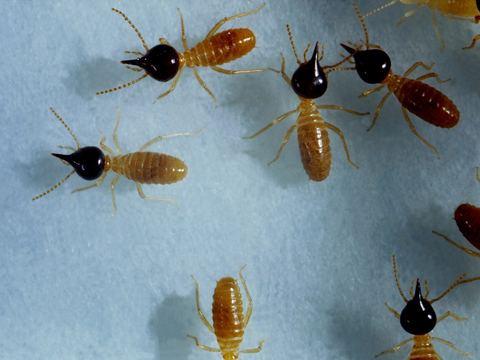
Mastotermes darwiniensis is the most destructive subterranean termite, says Business Queensland, and it occurs in tropical northern Queensland. Its soldiers can reach 13 mm, well above the 3 to 7 mm of most subterranean termites.
Two drywood termites
Cryptotermes domesticus and C. cynocephalus occur around Cairns and further north. They live inside the wood instead of coming up from the soil, and the sign is gritty frass under holes as small as 1 mm.
Wet season humidity
Far North Queensland's wet season runs from December to March. In March 2024 the QBCC warned that wet weather, moisture and the north's high humidity give termites what they need to flourish and multiply.
If you've just found them
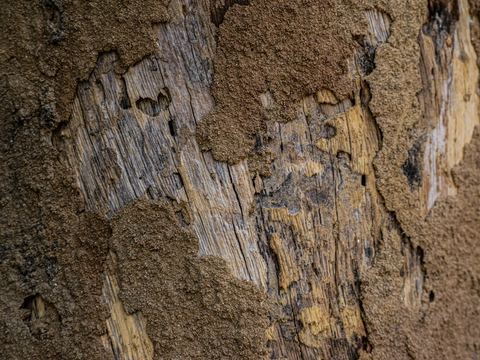
Leave the termites, the mud and the damaged timber exactly as they are. Don't spray, poke or cut into them: CSIRO says several control options depend on finding termites still active.
What you're most likely to notice
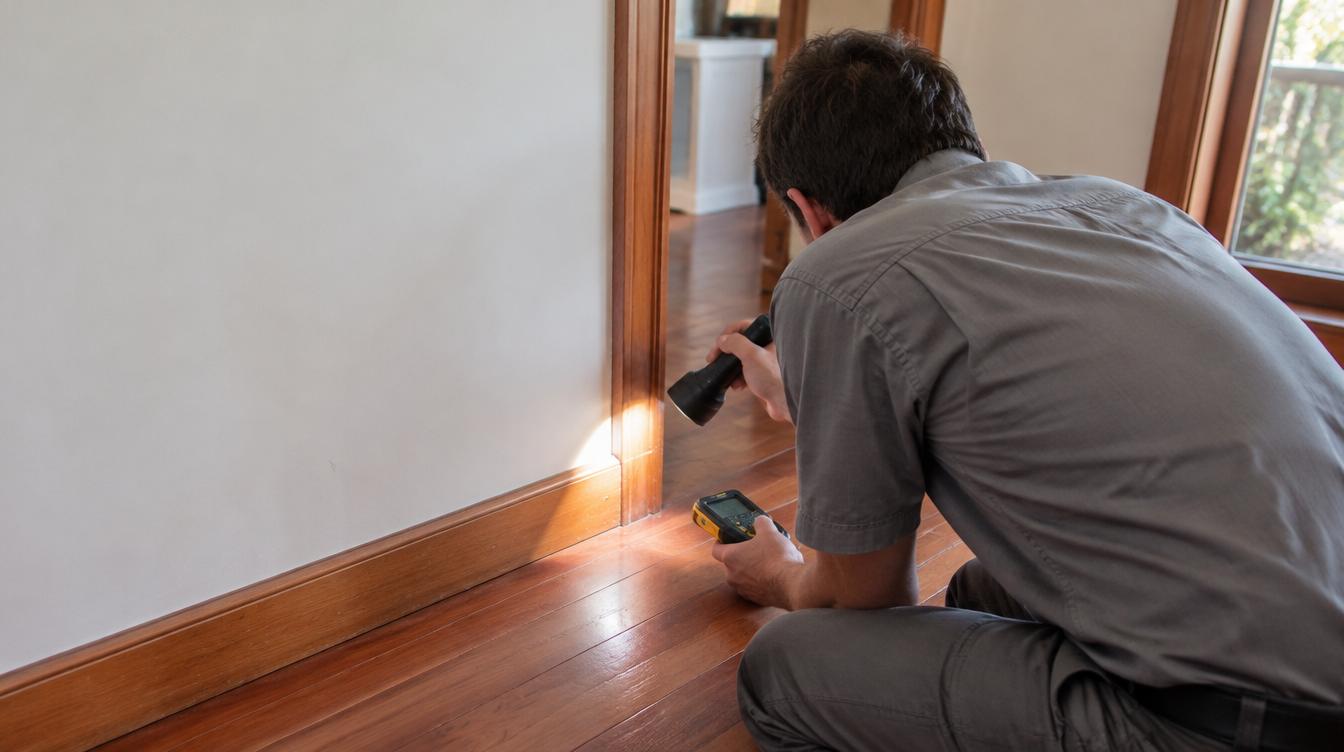
Damaged timber, far more often than flying termites. In a CSIRO survey, 86% of homes with termites noticed damaged wood, 34% mud tubes and 8% wings. Timber that sounds hollow when tapped with a screwdriver handle can suggest termite tunnels inside, says CSIRO.
For drywood termites, look for little piles of grit on sills, shelves or the floor under a doorframe. The QBCC describes it as dry, sand-like pellets in cone-shaped piles or circular patterns.
How treatment usually works in the tropics
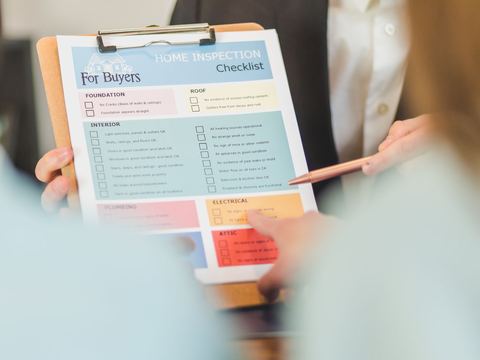
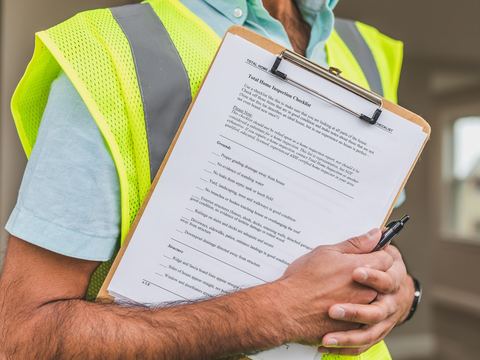
An inspection comes first, covering the roof space, subfloor, walls, garden and the inside of the house, then a written report of what's active, which species, and where.
For ground termites, the usual options are a chemical barrier in the soil around the house, a baiting system, or both, with follow-up visits. Drywood termites never touch the soil, so a soil barrier won't reach them; ask the inspector what they recommend for drywood and why. Read our termite treatment page for how the main systems compare.
In Queensland, inspecting and reporting on termites in a finished building falls under the QBCC termite management (chemical) class, and anyone doing that work also needs a Queensland Health pest management licence.
Worth asking the termite inspector
- Which termite is it: ground, giant northern or drywood?
- Where is the colony likely to be, and how are they getting in?
- Which product or system do you recommend, and its full name?
- How many follow-up visits, and what happens if activity continues?
- How often should this house be inspected afterwards, given it's up north?

Where we'd start with termite inspections and treatment in Cairns
We'd photograph what we'd found, touch nothing, and book an inspection that covers the inside of the house as well as underneath. If it's been more than a year since the last one, we wouldn't wait for the wet. Tap Termites with your postcode.
Want someone to look at it?
Tell us what you've seen and your postcode, and a local pest business that handles exactly that calls you to talk it through.