What gives termites away
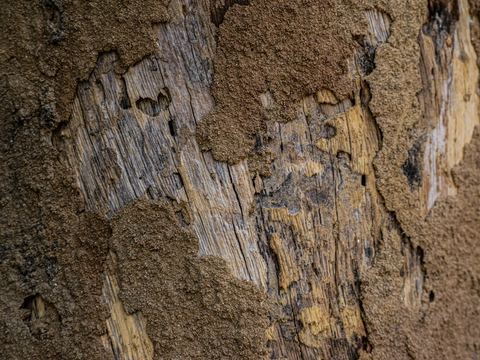
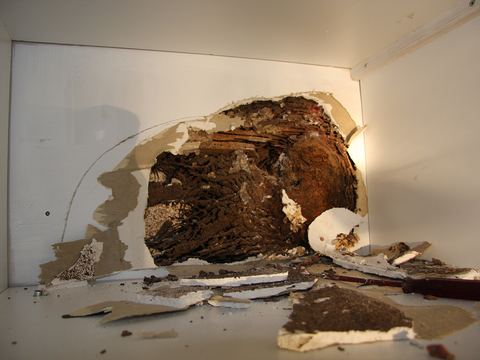
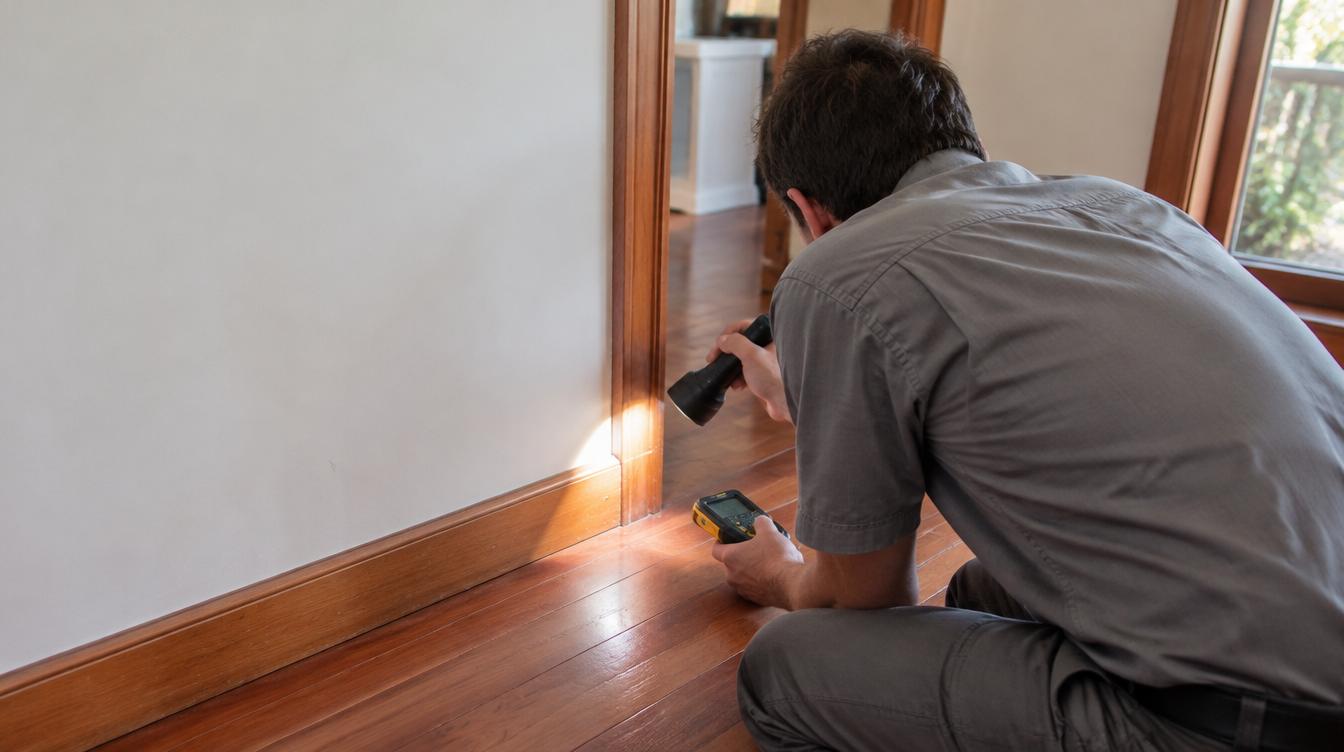
Damage, mostly. CSIRO surveyed households with termites and found 86% noticed damaged wood, 34% saw mud tubes and only 8% saw wings. Mud tubes are thin tunnels of soil that subterranean termites build over brick, concrete and stumps to stay moist. Termite-eaten timber can keep a paper-thin outer skin, so tap skirting boards and door frames and listen for a hollow sound.
If you find them, stop right there. Spraying them, breaking the tubes or ripping out the damaged piece makes the inspector's job harder: CSIRO says several control options depend on finding termites that are still active.
Termites around Sydney
Bushland next door
The Australian Museum says Nasutitermes walkeri is common in Sydney's coastal bushland, building round, ball-shaped nests in trees, especially in the years after big bushfires. Houses near bushland often have termite nests nearby that aren't pest species at all.
Termites in the council reserve
Fairfield City Council, in western Sydney, says termites in parks and bushland reserves don't necessarily threaten private property, that it can't do termite control in protected natural areas, and that termites on your own land are yours to manage.
The one that travels underground
Coptotermes acinaciformes nests in stumps, living trees, under buildings and even inside walls, and the Australian Museum says it can reach timber within a 50 metre radius through underground tunnels.
A drywood termite to report
In a page last updated in 2020, the Australian Museum said the introduced West Indian drywood termite had been found in Brisbane and Sydney, and should be reported to the relevant government authority. Drywood termites leave gritty droppings, like sand or ground pepper, under tiny holes in wood.
Who can do termite work in NSW
NSW licenses the technician, not the business. Anyone who first got or renewed a NSW pest licence after 17 December 2021 needs the timber pest management technician licence to treat timber pests. An inspection that uses no pesticides, or a termite barrier with no pesticide in it, doesn't need an EPA licence, so for those, ask about training and insurance instead.
Questions for a Sydney termite inspector
- Will you inspect the subfloor, the roof space and the garden, including stumps, sleepers and trees?
- For treatment: do you hold the NSW timber pest management technician licence, and can I see the photo card?
- If you find termites, will you leave them alone until we've agreed on a plan?
- What does the termite notice in our meter box say about the system and how often it should be inspected?
- What will a follow-up visit check, and when should it happen?
Your share, and theirs
You can
- Keep the way into the subfloor clear, as Fairfield City Council suggests, so it can be inspected easily.
- Fix leaking pipes, fixtures and gutters before water reaches timber.
- Keep garden edging, sleepers and timber offcuts away from the house walls.
Leave to a pest business
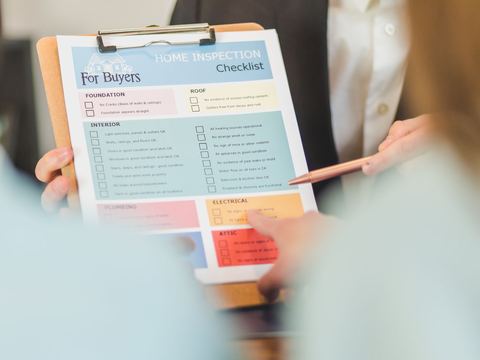
- The inspection, including the roof space and subfloor.
- Working out which species it is and where it's coming from.
- Baiting, a soil treatment or a termite management system, with a written plan.

Where we'd start with termite inspections and treatment in Sydney
If our house backed onto a reserve, we wouldn't lose sleep over termites in the bush itself, but we'd keep the house on a regular inspection. Found damage already? Leave it exactly as it is and tap Termites.
Want someone to look at it?
Tell us what you've seen and your postcode, and a local pest business that handles exactly that calls you to talk it through.