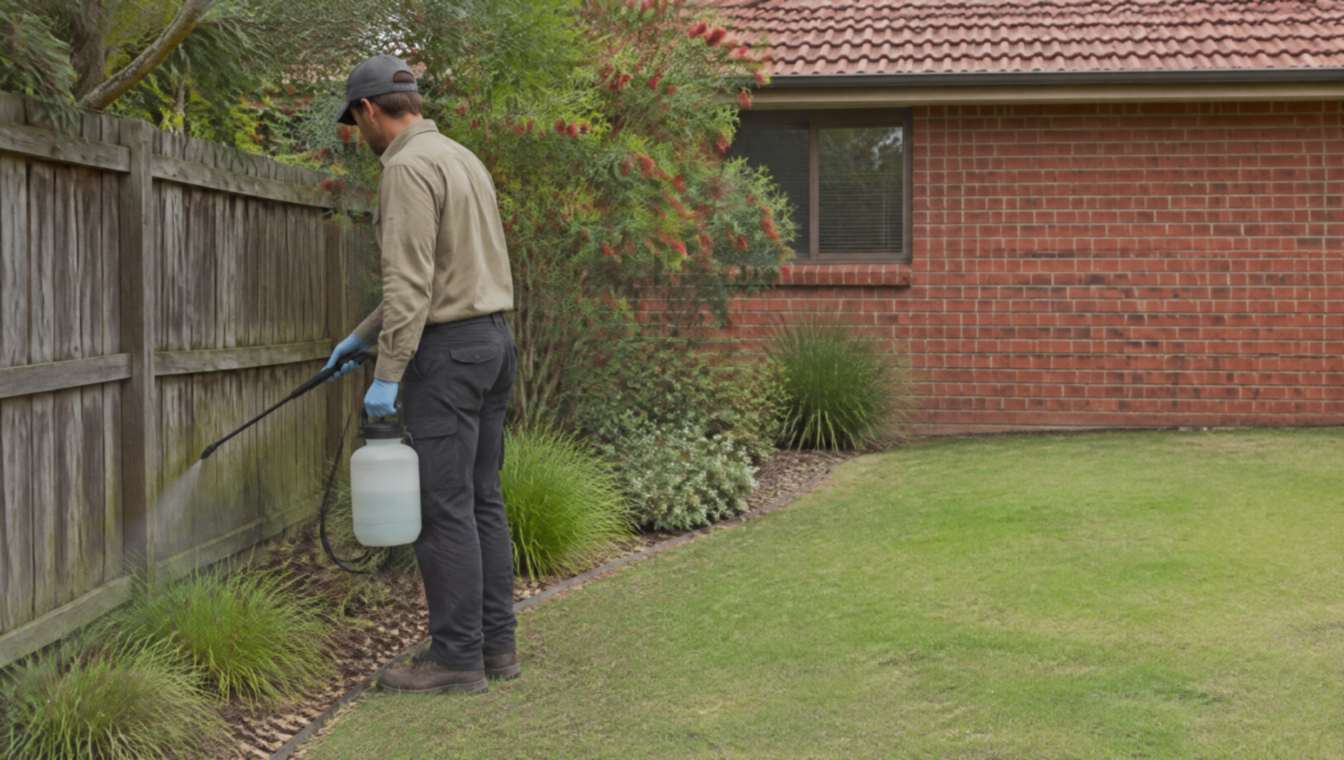

Bees or wasps close to the house
Keep people and pets well back and don't disturb the swarm or nest. Call 000 after a sting for noisy breathing, a swollen tongue or throat, wheeze, dizziness or collapse.
What's different around Rouse Hill
Rouse Hill Regional Park
NPWS said in 2014 that foxes, rabbits, feral cats and European bees had been recorded in the park. It sits in the North West Growth Centre, which has seen significant growth from early 2000, so homes now sit close to the park's edge.
Second Ponds Creek
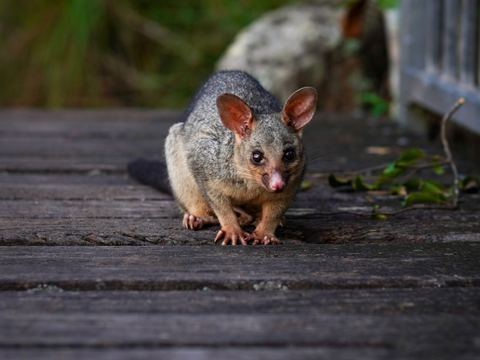
Most of the park's native vegetation runs along Second Ponds Creek, part of a corridor connecting through to Caddies and Cattai creeks. Corridors like this are how wildlife moves through the estates, and possums and bees don't stop at the fence.
Two councils
The Hills Shire Council's list dated 30 June 2022 shows Rouse Hill as only partly within the Shire, and NPWS places the regional park within Blacktown City Council. Check your rates notice before you ring either one.
A swarm on the fence, or bees in the wall?
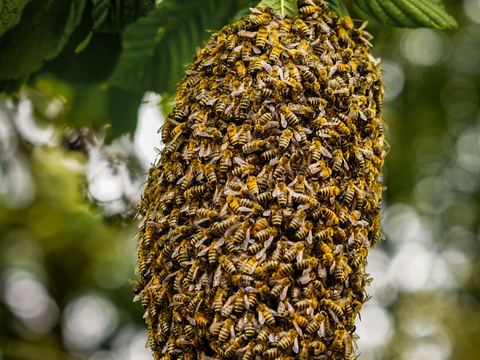
These are two different jobs. The City of Ryde says swarms usually come between September and December as the weather warms, and that swarming bees aren't usually inclined to sting if left alone. It suggests keeping children and pets away and not trying to move them. A swarm in the open is usually one for a beekeeper, and in NSW even someone with one hive must register as a beekeeper, so ask if they're registered.
Bees that have moved into a wall cavity or somewhere you can't reach are different, the City of Ryde says, and need a pest controller. Note where they go in and out, and don't block the hole.
Pest inspection in Rouse Hill
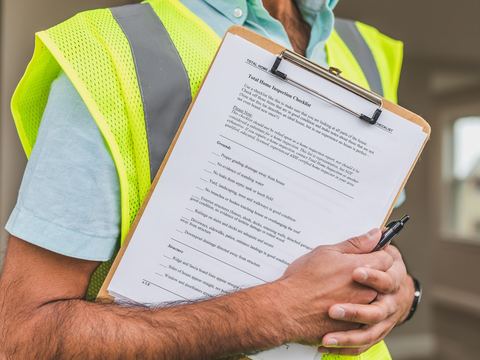
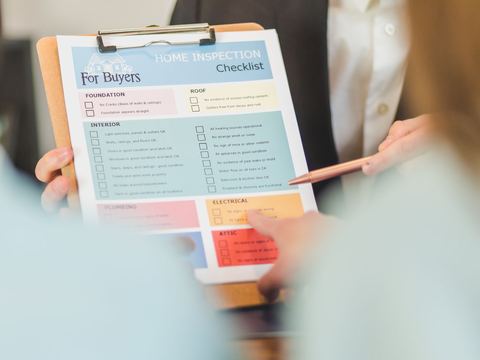
A newer house doesn't rule out termites. If you're buying, ask to see the termite paperwork, then have a timber pest inspection done yourself rather than relying on the seller's report. NSW Government advice is that a pre-sale report can help but isn't a substitute for your own.
If you've found something already, leave it alone. CSIRO says disturbing termites can get in the way, because several control options rely on finding them active.
What's yours, and what isn't
You can
- Keep compost, bins and pet food covered.
- Store firewood and landscaping timber off the ground, away from the house.
- Clear water from pot plates, wheelbarrows and blocked gutters.
- Photograph any nest or swarm from a safe distance.
Leave to a pest business
- Bees in a wall cavity.
- European wasp nests, usually hidden in the ground or a wall.
- Timber pest inspections and termite treatment.
- Wasps or bees close to a door, where a beekeeper can't reach them.

If it were our yard in Rouse Hill
We'd stand well back from any swarm and ring a local beekeeper first. If the bees are going into the house, tap what you've seen and add your postcode.
Want someone to look at it?
Tell us what you've seen and your postcode, and a local pest business that handles exactly that calls you to talk it through.