
Before you touch anything in the roof
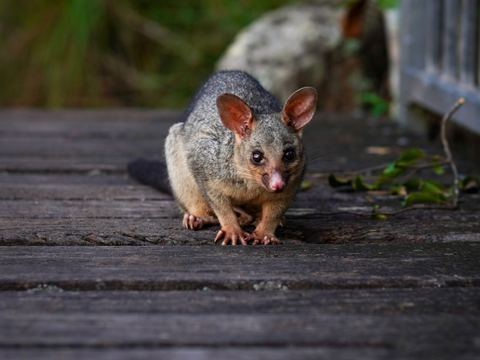
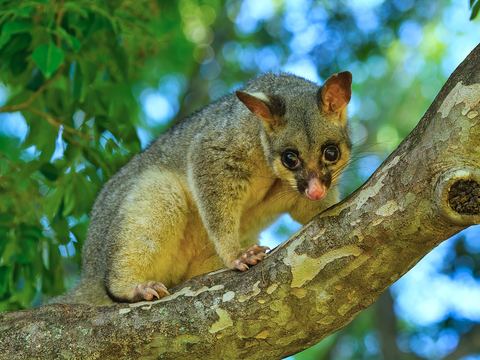
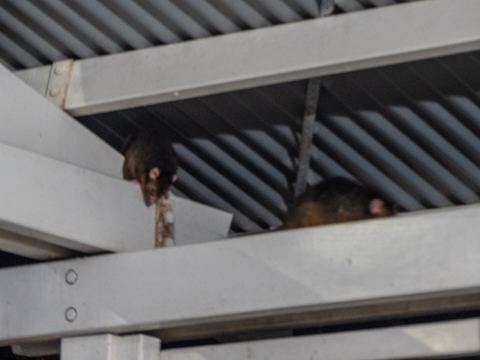
Possums are protected in NSW. It's illegal to relocate or kill a possum, or to trap or catch and release one, without a licence. Don't bait one, and don't close the roof up while it's still inside.
Wahroonga's wildlife and its two councils
Two councils
Ku-ring-gai Council's Wahroonga Ward covers Wahroonga and North Wahroonga, and Hornsby Shire Council lists Wahroonga as well, so check which one you pay rates to.
Why possums like it here
Ku-ring-gai Council says a diversity of possums and gliders live in the area, retreating by day to tree hollows or dreys (round nests of grass and bark). It calls the removal of hollow-bearing trees a key threat. When hollows go, a warm roof is the next option.
Bush on the doorstep
Ku-ring-gai Chase National Park sits on the council area's northern side, and the council counts 158 bushland reserves across Ku-ring-gai.
Hornsby's position
Hornsby Shire Council says it takes no action on nuisance native animals on council land unless they're a direct danger to people.
Possum removal in Wahroonga: how it works lawfully
Check it's really a possum
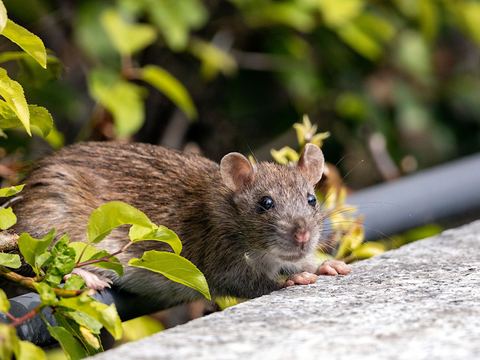
NSW Government guidance suggests watching for it leaving the roof at dusk, and sprinkling flour near entry points to read the footprints. Rats and mice leave very different prints.
Find the way in
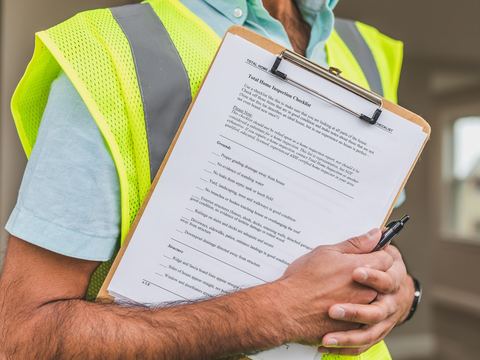
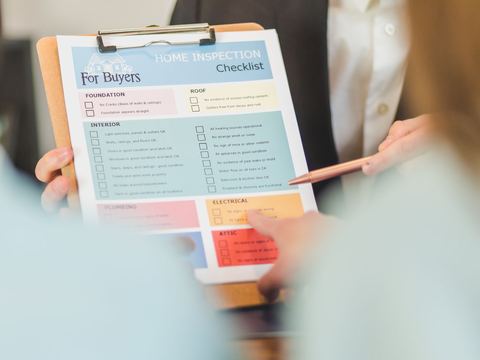
A technician or a good roofer will look for lifted tiles, gaps at the eaves and overhanging branches. This is the part that actually ends the problem.
Offer somewhere else to sleep
NSW guidance suggests a nest box secured at least 4 metres above the ground, so the possum has a home close by.
Close the gaps only when it's out
NSW advice is to block access points only when you're sure it has left to forage, usually at night.
If it won't leave, use a licence holder
The licence holder must release the possum at dusk, no more than 150 metres from where it was caught, near something it can climb straight away, such as a tree or tall fence.
What else comes up in Wahroonga?
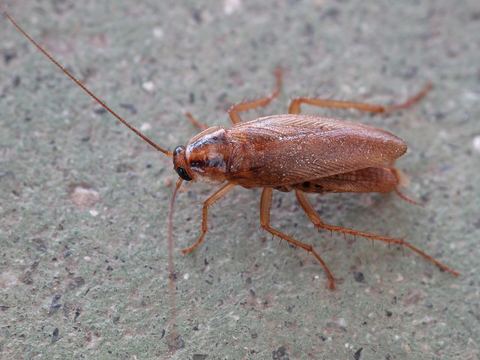
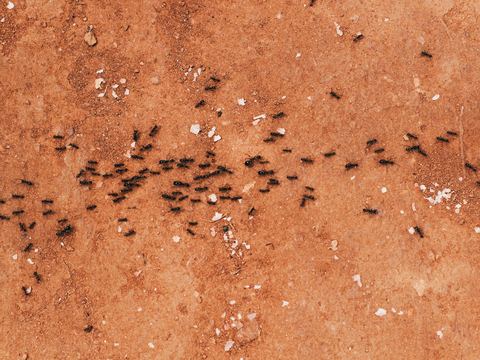
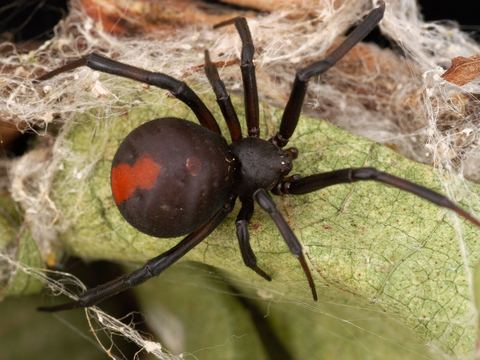
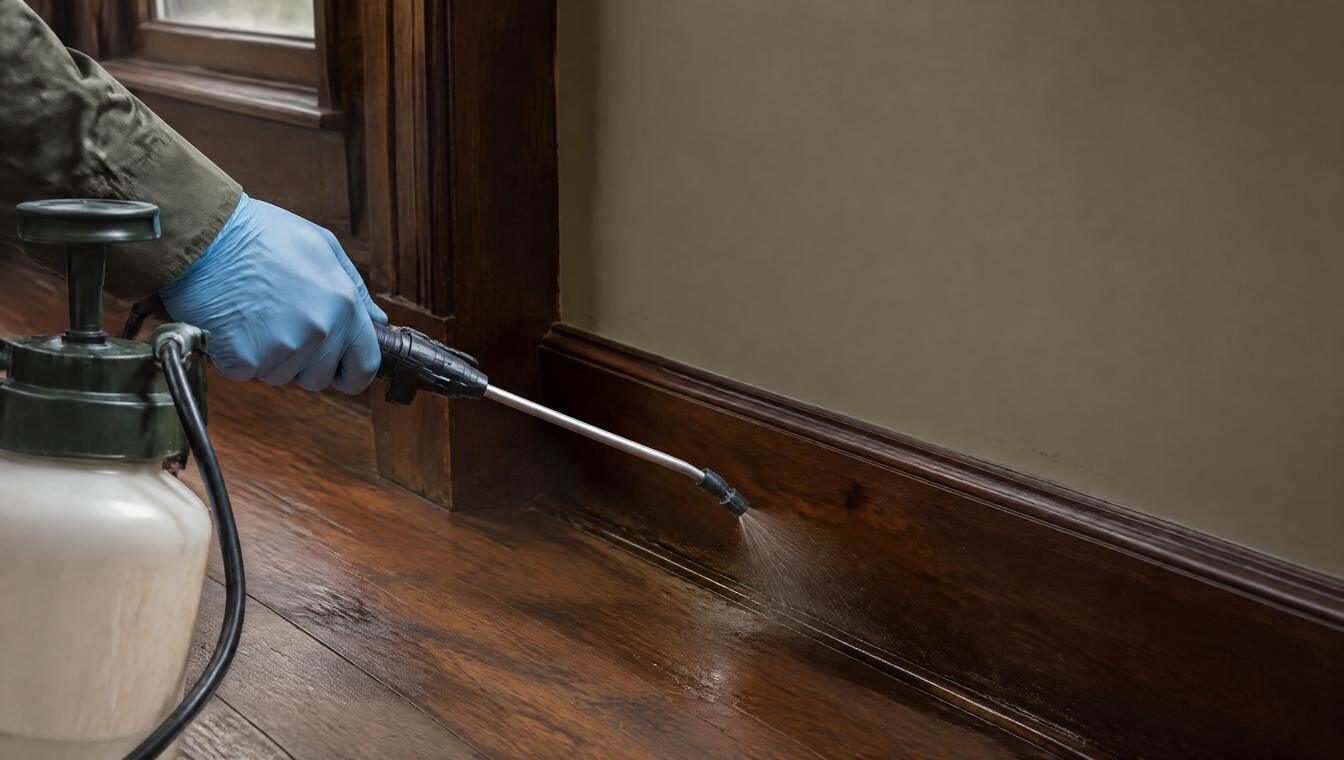
Hornsby Shire Council makes a useful point: most invertebrates, such as wasps, spiders, ants and termites, aren't protected by law in NSW, and on private land you should seek the advice of a qualified pest controller. It leaves termites on council land alone too, unless there's a direct danger to people.
Damaged wood and mud tubes are the usual signs of termites. If you find them, don't disturb them, and ask for an inspection.

What we'd do with a possum overhead
Spend one evening watching the roofline at dusk before you spend anything else. Once you know where it gets in, ask for proofing and a nest box together. Tell us what you've seen and your postcode when you're ready.
Want someone to look at it?
Tell us what you've seen and your postcode, and a local pest business that handles exactly that calls you to talk it through.