Termite or flying ant?
| Flying termite | Flying ant | |
|---|---|---|
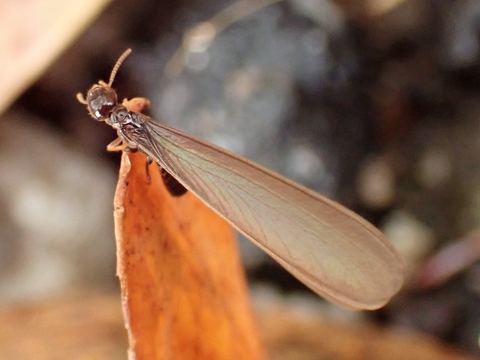
| Wings | Two pairs, both the same size | Front pair larger than the back pair |
| Antennae | Straight, like a string of beads | Bent at an elbow |
| Waist | None: the body runs straight through | Pinched in, clearly ant shaped |
| After landing | Sheds its wings readily, leaving piles of them | Tends to keep its wings |
| When they fly | Warm, humid evenings, usually in spring and autumn | Varies with the species |
Wings are the least common clue
Only 8% of homes in a CSIRO survey found their termites through wings; 86% found damaged wood and 34% found mud tubes. So a flight inside the house is worth taking seriously, but so is a soft architrave with no wings in sight.
If winged termites have come up through a floor or out of a wall, photograph them, keep a few of the shed wings in a jar for the inspector, and leave the floor and wall alone. CSIRO says disturbing termites can spoil control options that depend on finding them active.
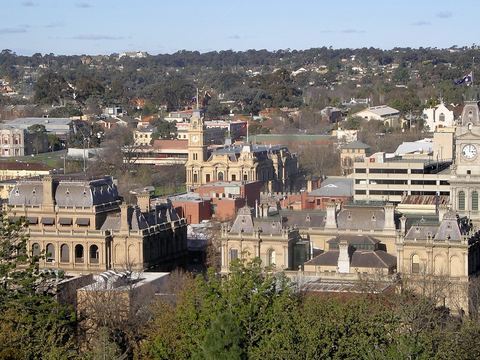
Termites in Greater Bendigo
Ask the council what applies to your land
The City of Greater Bendigo's Building Information Request form offers termite information under regulation 51(2) of the Building Regulations 2018. The council says a current Certificate of Title has to go with the request.
A designation isn't a termite map
In Victoria, termite designations are building rules for new work, set by each council. We don't know Bendigo's status and won't guess; either way, your own house needs looking at.
The licence that covers termites
Victorian termite work calls for a technician whose licence carries the general authorisation including timber pests. Asking to see it before treatment starts is reasonable.
Inside the house, look for
- Mud tunnels on stumps, slab edges or the inside of a garage wall.
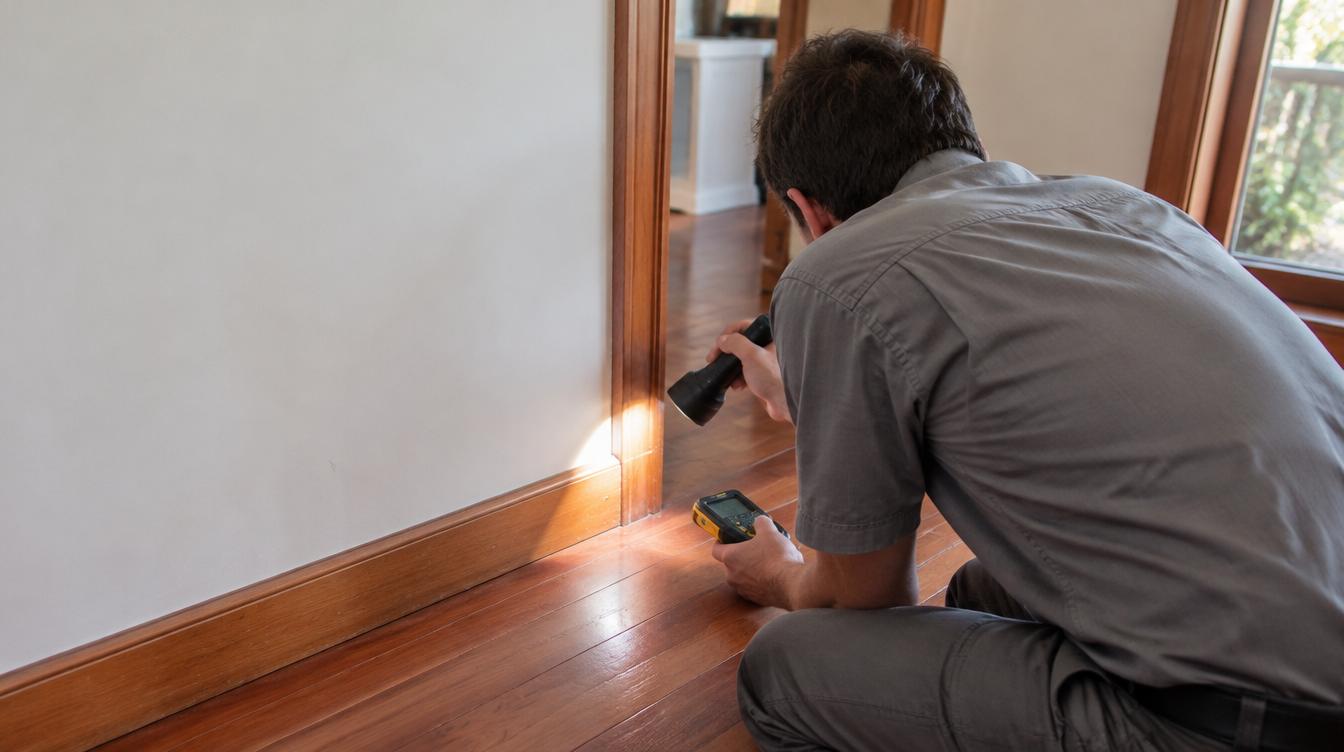
- A dull, hollow sound when you tap a skirting board with a screwdriver handle.
- Paintwork that has bubbled or blistered without an obvious leak.
- Damage beyond the frame: floorboards, architraves, books, even the paper backing on plasterboard.
Inspection, then treatment
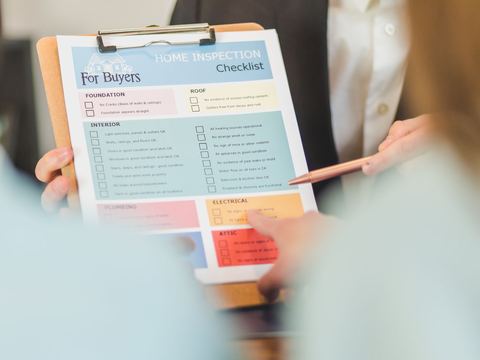
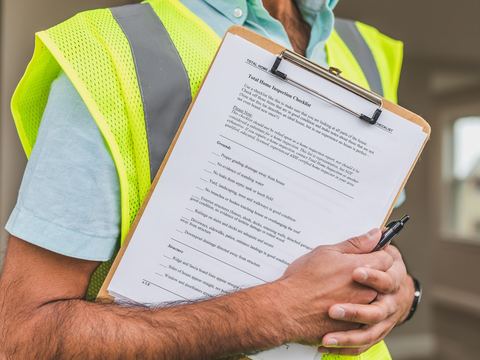
The inspector goes through the house, roof space, subfloor and garden and writes up what they found, active or old. If termites are active, the usual choices are a chemical or physical barrier, a baiting system, or a mix, followed by inspections to check it's working. Our termite baiting page and barriers page explain each.
The job grows with the spread of the damage, tight access under the floor or in the roof, and repairs to timber once the termites are dealt with. A good written quote says where the treatment goes, which product by its full name, and when the follow-ups happen.

Where we'd start with termite inspections and treatment in Bendigo
Found a flight, a tube or a soft spot? Take photos, leave it alone and get an inspection booked. Tap Termites and your postcode.
Want someone to look at it?
Tell us what you've seen and your postcode, and a local pest business that handles exactly that calls you to talk it through.