
Wagga Wagga, New South Wales
Pest control in Wagga Wagga
Riverina seasons decide a lot of it.
In Wagga Wagga, the Riverina's seasons decide a lot: mice after rain and in the cold, mosquitoes with the irrigation water, and European wasps through summer.
- Matched to what you've seen
- Only one local pest business gets your number.
Matched to what you've seen
Before a pest business can take jobs from Which Pest, we record the jobs it handles, so a termite job never goes to a business that only sprays for spiders.
Only one local pest business gets your number.
We pass your contact details to one local pest business so it can contact you about this job.

Pest control in Wagga Wagga: what to know before anyone calls
On this page
What's different in Wagga
European wasps across the Riverina
The Australian Museum says European wasps are found in Wagga, Junee, Narrandera and Griffith. Their nests are usually hidden in the ground or a wall cavity, so you notice the traffic before the nest.
Ross River at the Botanic Gardens
NSW Health found Ross River virus in mosquitoes trapped at the Wagga Wagga Botanical Gardens on 28 January 2025. As at 30 July 2026, it also lists Wagga Wagga as a Japanese encephalitis high risk area. Both are NSW Health matters, and its advice on bites is the one to follow.
Water on the plains
Inland NSW mosquito numbers are driven by rainfall and irrigation, NSW Health says. In the 2024 to 2025 season Culex annulirostris was the most abundant inland mosquito over summer.
Fire ants
A suspected fire ant anywhere in the state is a report to the NSW Biosecurity Helpline, never a treatment.
Mice after a good season
House mouse numbers can climb to plague levels. The Australian Museum says they seem to rise after rainfall and about 18 months after a fire, and in May 2021 CSIRO said favourable conditions had pushed numbers up in parts of NSW and Queensland.
CSIRO also says mice can breed from about six weeks old, every 19 to 21 days. That's why a few droppings in the shed in autumn are worth acting on before winter, when the cold drives them inside.
Small cockroaches in the kitchen
Amber cockroaches about 12 to 15 mm long with two dark stripes running lengthways are German cockroaches. They live in kitchens, under sinks and inside cupboards and appliances, and often arrive as stowaways in cardboard boxes.
The Australian Museum calls the German cockroach the hardest pest cockroach to get rid of, and seeing them out during the day usually means a large population. The big brown cockroaches that wander in from outside are a different job, so tell the pest business which kind you're seeing. The cockroach control page explains the difference.
Before the cold sets in
- Fill gaps around pipes, cables and under doors: Victoria's Department of Health says mice gnaw holes up to 20 mm wide.
- Keep pet food, chook feed and grain in sealed metal or hard plastic bins.
- Get flattened cardboard boxes out of the kitchen and laundry.
- Wipe benches at night and don't leave pet bowls out.
- Tip out water from pot plant bases, tyres and buckets each week.

If it were our house in Wagga Wagga
We'd deal with mice the first week we saw droppings in autumn rather than waiting for winter, and we'd bring in a pest business early for German cockroaches instead of buying spray after spray. Tap what you've seen and your postcode.
Want someone to look at it?
Tell us what you've seen and your postcode, and a local pest business that handles exactly that calls you to talk it through.
Questions
Pest control in Wagga Wagga: common questions
Is Wagga in a mouse plague right now?
We can't say. Plagues rise and fall with the seasons, and the most recent CSIRO statement in our sources dates from May 2021. What's happening in your house matters more: droppings, gnawing and nibbled grain.
Can I sort out German cockroaches myself?
Keeping crumbs, grease and cardboard under control helps any treatment work. They hide inside appliances and the joins of cupboards, which makes them hard to reach. We'd call a pest business and ask which product they'll use and how many visits to expect.
Do you cover Junee and the villages?
Yes. Give us your postcode with what you've seen.
Seen a pest in Wagga Wagga? Tell us what it is.
What you have seen, one tap about it and your postcode. Then a local pest business that handles exactly that calls you.
Before anyone starts
The licence rules where you live
Related help
More on pest control in Wagga Wagga
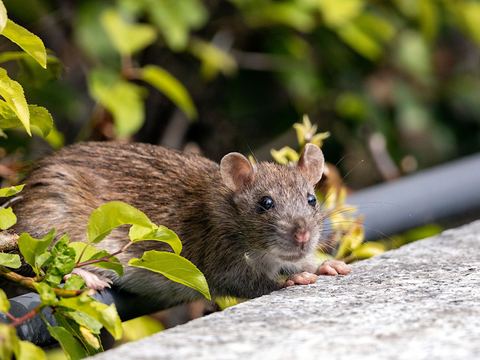 Rodent controlRat or mouse? Droppings, noises, what a pest business does and how to clean up.Read it
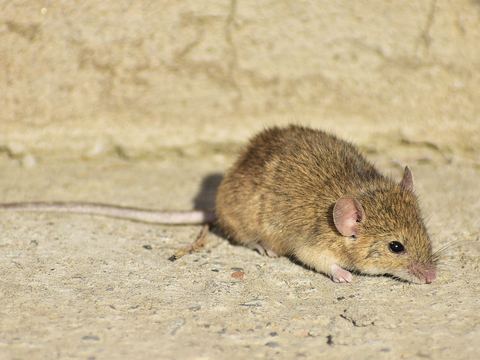 MiceMouse droppings, gnawed packets and scratching at night: how to confirm it's mice and what to do next.Read it
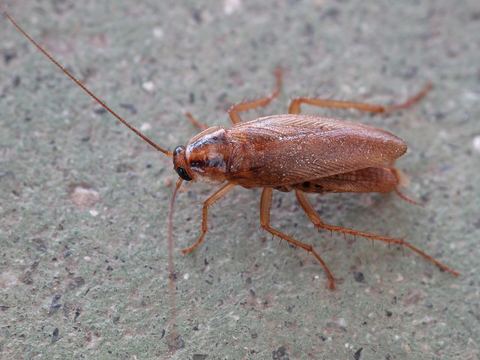 German cockroachHow to tell a German cockroach, the signs in the kitchen, and why they're hard to shift.Read itCockroach controlGerman or American? Which cockroach you've got, what a treatment involves, and what to ask.Read it
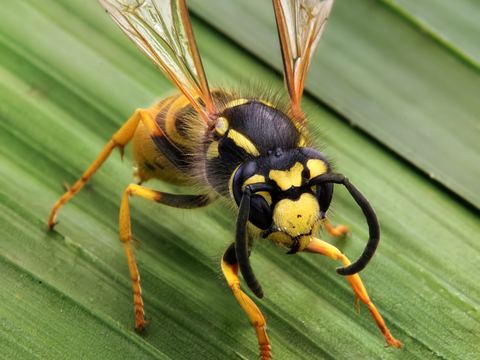 European waspHow to pick a European wasp from a paper wasp, find the nest without getting stung, and the WA report line.Read it
 Pest control in New South WalesWho the NSW EPA licenses, the timber pest licence, possums, fire ants and renting rules.Read it
Where this information comes from
- Australian Museum European wasp, checked 3 November 2026
- NSW Health (Health Protection NSW and NSW Health Pathology, ICPMR Westmead) NSW Arbovirus Surveillance Program Annual report 2024-2025, checked 3 November 2026
- NSW Health Japanese encephalitis virus (JEV) vaccination (high risk areas), checked 3 November 2026
- NSW Government (nsw.gov.au, NSW DPIRD) Fire ants in NSW, checked 3 November 2026
- Australian Museum House Mouse, checked 3 November 2026
- CSIRO Mouse plague in Queensland and New South Wales, checked 3 November 2026
- Victorian Department of Health Rodents: pest control, checked 3 November 2026
- Victorian Department of Health Cockroaches: pest control, checked 3 November 2026
- Australian Museum German Cockroach, checked 3 November 2026
- NSW Health Mosquito reduction, checked 3 November 2026
Rules and advice change, so check the source before you act on anything here. How we write and check these pages.