If a child or pet gets into bait
If a child may have swallowed rodent bait, call the Poisons Information Centre on 13 11 26 straight away, even without symptoms. If a pet has eaten bait or a poisoned rat or mouse, WA Health says contact your vet. Call 000 if anyone collapses or has a seizure.
Rats and mice under WA's rules
It's the occupier's responsibility
WA Health says property owners and renters are legally responsible for preventing rats and mice from living on their property, under the Health (Miscellaneous Provisions) Act 1911. If you rent, tell the owner or agent early.
The signs WA Health lists
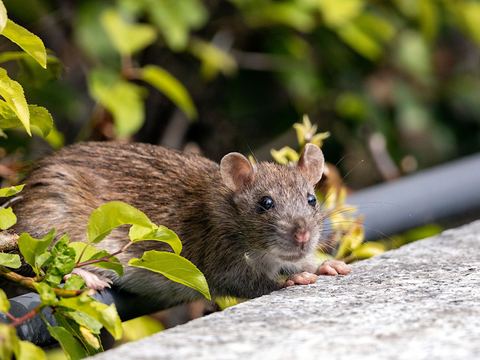
Black, thin droppings 12 mm to 18 mm long, greasy trails along their regular paths, pet food going missing, and squeaking, gnawing or scratching in walls, cupboards, ceilings and under floors. Most activity is at night.
A fire risk, not just a nuisance
WA Health says rats and mice can chew through electrical wiring, which can start fires by shorting out appliances or light fittings. That's the main reason not to wait on noises in the ceiling.
Bigger numbers in the regions in 2026
In May 2026, WA Health warned about high mouse numbers in the Mid West and Southern WA. If you also own a farm or a house in the country, the same prevention steps apply there.
Rat, mouse or possum in the roof?
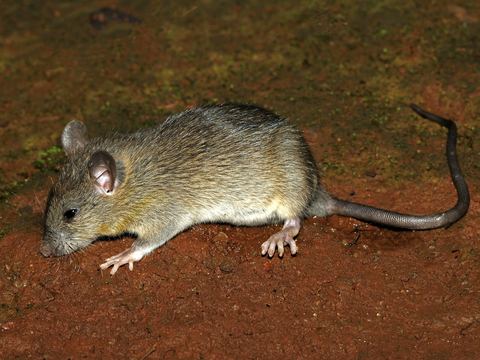
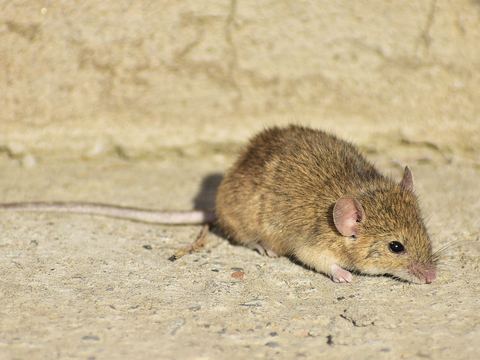
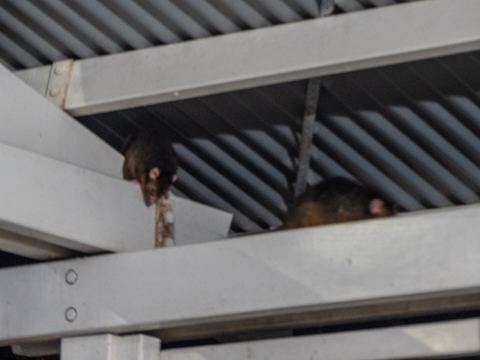
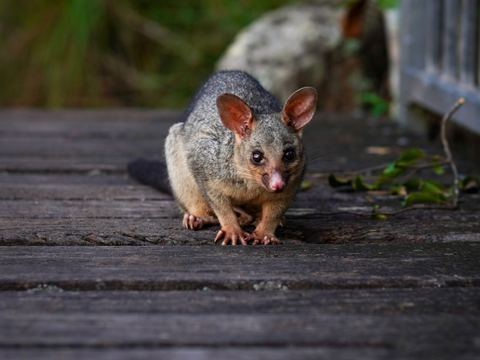
Look at the droppings. DBCA, WA's wildlife department, says possum droppings are usually more than 2 cm long, rat droppings about 1.5 cm and mouse droppings less than 1 cm. It also says rats and mice are often mistaken for possums, especially in winter when they move into roof cavities for warmth.
If it's a possum, the job is different and protected by law: see our Perth possum page.
How a rodent treatment usually runs
Inspection
The technician looks for entry points, runways, nests and food sources, inside and out, including the roof space where there's access.
A treatment plan
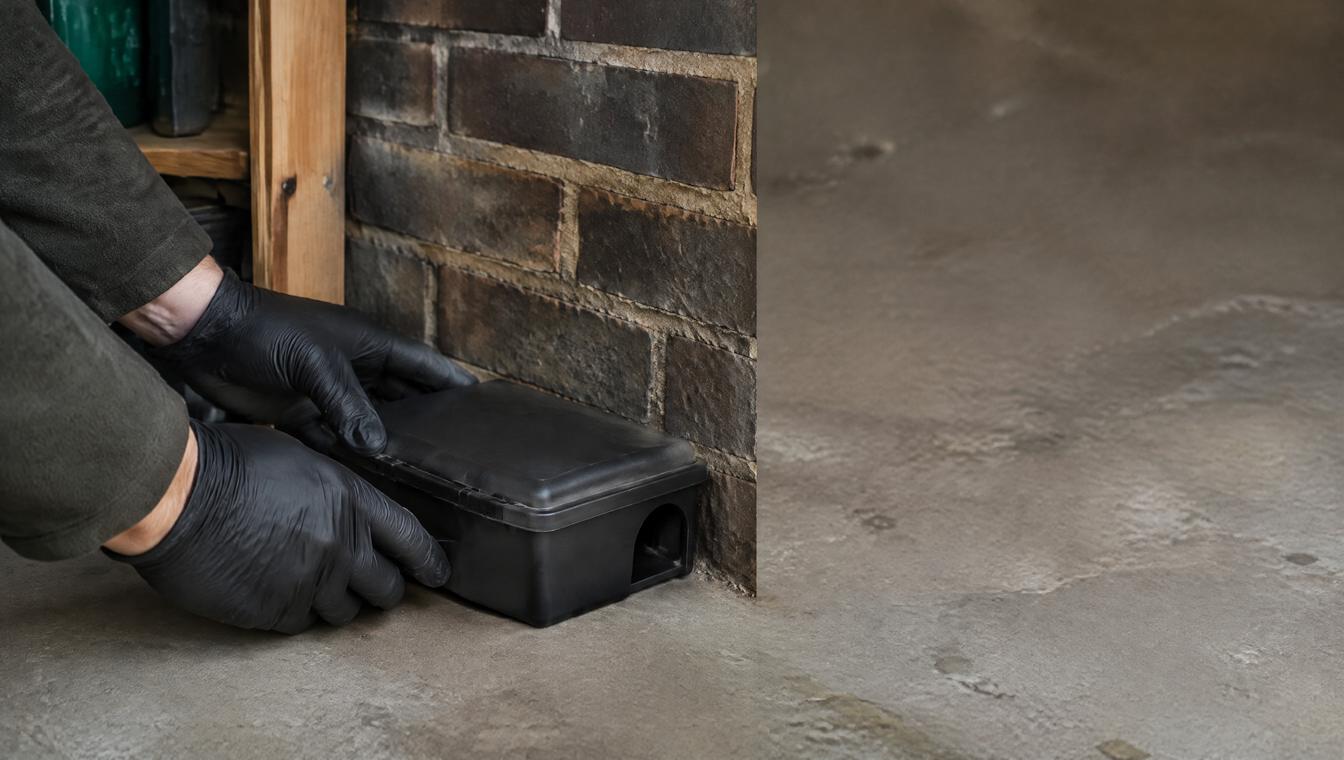
WA Health says the technician should outline a treatment plan. Expect bait stations (locked boxes that hold rodent bait) placed where children and pets can't reach them, and a note of where each one is.
Proofing
Gaps where rats and mice get in are sealed, so new ones don't replace the ones dealt with.
Follow-up
Stations are checked and topped up. WA Health says that if rodents keep coming back, a different product may be needed.
Your share of the job
You can
- Keep food in sealed containers and bins with tight lids, emptied often.
- Cover rainwater tank openings and floor vents with wire mesh no coarser than 1 mm.
- Use a closed compost bin and keep meat scraps out of it.
- Pick fruit as it ripens and clear fallen fruit off the ground.
- Clear unused materials and clutter from around the house and shed.
Leave to a pest business
- Baiting in the roof space and subfloor.
- Finding and sealing entry points at the roofline.
- Rodents that keep returning after you've cleaned up.
- A smell that suggests a dead rat inside a wall or ceiling.
Ask before they start
- Where will each bait station go, and how are they locked?
- What's the product's full name, in case a pet gets near it?
- Which entry points will you seal, and is that in the quote?
- How many visits are included, and what if the noises keep going?

Our take on rodent control in Perth
Clean up food and shelter first, because that's your legal share in WA anyway. If the scratching carries on after a week of that, or you've found droppings in the pantry, tap Rats or mice.
Want someone to look at it?
Tell us what you've seen and your postcode, and a local pest business that handles exactly that calls you to talk it through.