
A snake in the garden
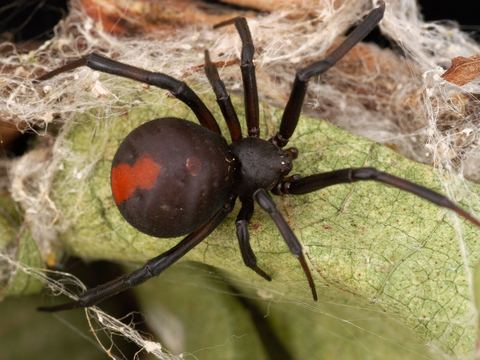
The City of Kalamunda doesn't remove snakes from private property, and it says Wildcare no longer offers reptile removal. Keep people and pets well clear, watch where it goes, and call a licensed snake catcher. Don't try to kill it: that often gets people bitten, and it's illegal. If someone may have been bitten, call 000.
What's different in Kalamunda
Scarp and plateau
The City says the Darling Plateau covers most of the City, and the Darling Scarp sits on the western parts of Gooseberry Hill, Kalamunda and Lesmurdie. Kalamunda National Park has woodlands of jarrah, marri, wandoo and butter gum along Piesse Brook.
Black rats
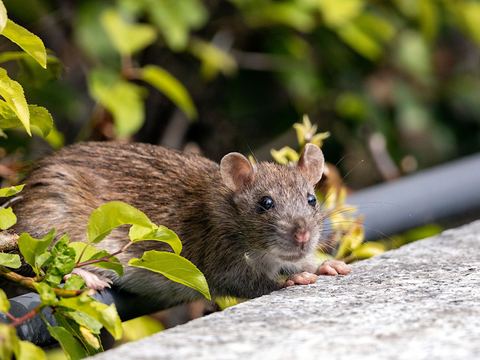
The City says these may be in walls or ceilings, under floors, behind cupboards, and in sheds, wood piles and thick vegetation. It says owners and occupiers are responsible for preventing them living and breeding on the property.
Mosquito season
The City's control program runs from October to March, with trapping and with draining and baiting stormwater gullies. Its fact sheet names Aedes notoscriptus as a common backyard breeder, so your own yard counts.
Tanks
The City says to screen rainwater tanks with insect proof mesh, including the inlet, overflow and inspection pipes.
European wasps
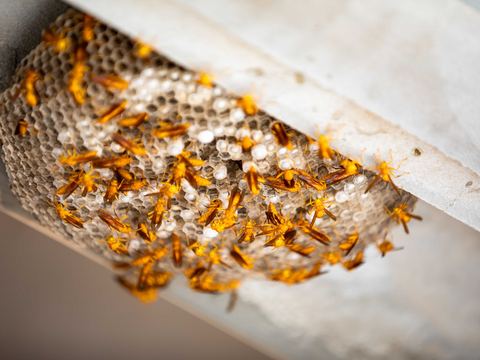
DPIRD's 2025 to 2026 nest list included Kalamunda. The City says not to remove or treat a nest yourself, and to report it to DPIRD. Its list of programs also includes DPIRD's Adopt-a-trap, with monitoring from December to May.
Bees that move in
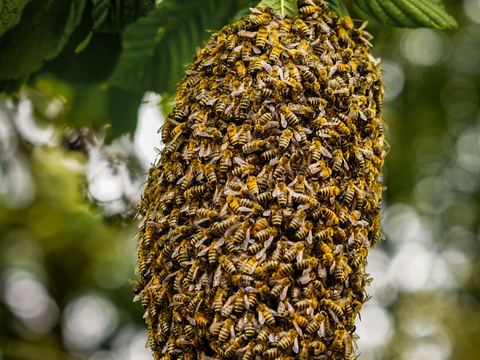
The City says most swarms come in spring and usually last a day or two before flying off. That's normally something to leave alone, or a beekeeper's job. Honey bees prefer enclosed spots such as hollow trees or wall cavities, and once they're in a wall you may need a pest controller or beekeeper. Don't try to take it on yourself.
Possums in hills roofs
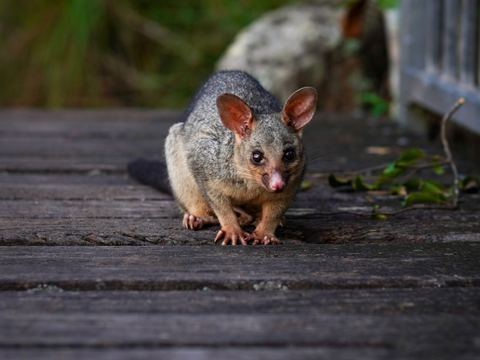
The City says possums occur in forests and woodlands, where they mostly nest in tree hollows, and have adapted to living around people. Its wildlife page covers the common brushtail and the western ringtail, which is listed as Critically Endangered. It doesn't say which live in your street, and neither do we. DBCA asks anyone who thinks they've seen a ringtail to report it.
The City says possums can be kept out by blocking entry points after they leave at dusk. A pest business can do that proofing, once it's sure the possum is out.
Around the block
You can
- Stack wood and bricks at least 30 centimetres off the ground.
- Check tank mesh and floor vents regularly.
- Clear gutters, and tip out buckets and pot plant trays.
- Bring pet food in and keep it in vermin proof containers.
Leave to a pest business
- Bees that have settled in a wall.
- Possum proofing the roof.
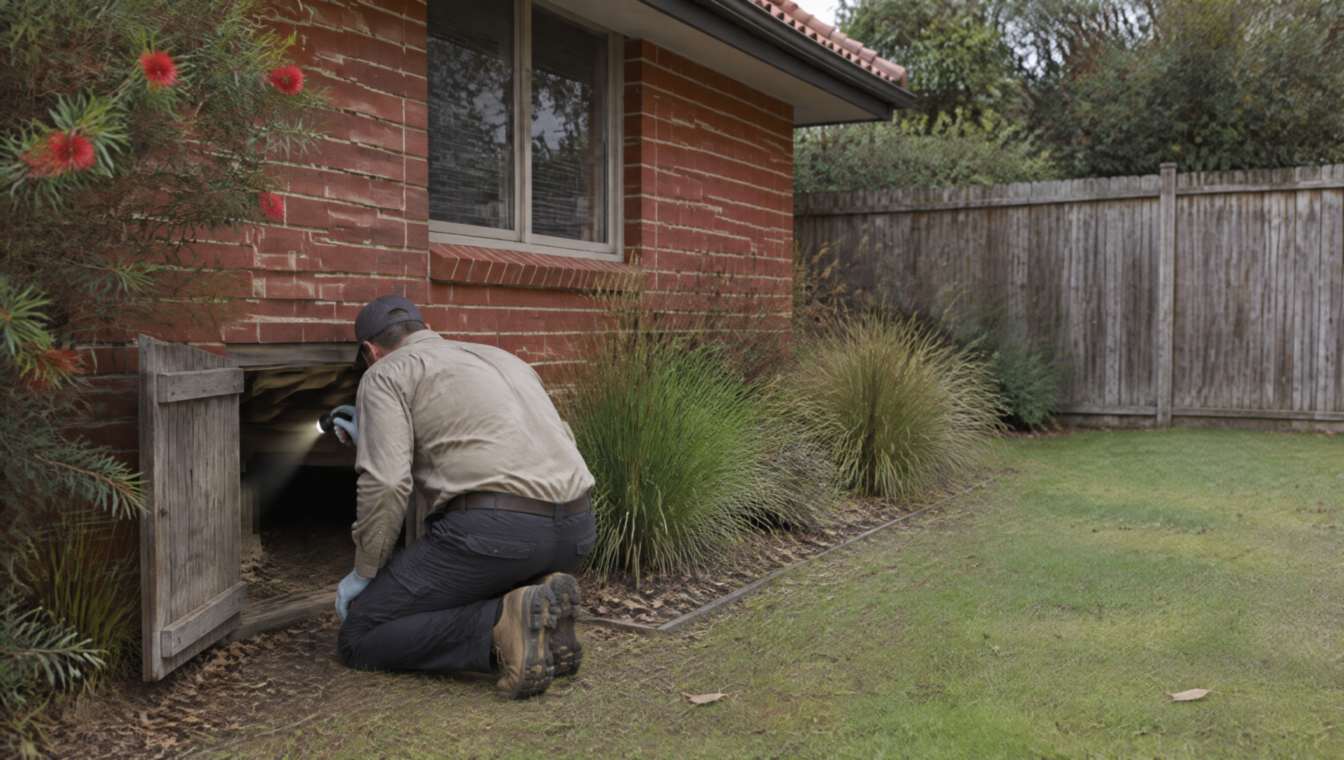
- Termite inspections, which WA Building and Energy recommends at least once a year.

If it were our house in Kalamunda
We'd start at the woodpile and the rainwater tank, because both are quick to fix. Then we'd save a snake catcher's number before summer. For rats, bees, possums or termites, tap what you've seen and your postcode.
Want someone to look at it?
Tell us what you've seen and your postcode, and a local pest business that handles exactly that calls you to talk it through.