
What the Shire's plan says about Byford
Mosquito traps in your streets
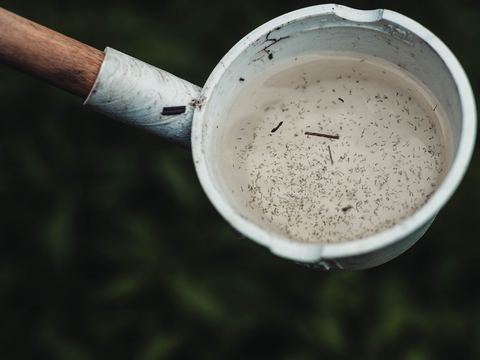
The Shire's routine trapping locations include Kandimak Boulevard, Park Road and Gallant Turn. Most of its rapid residential growth is in Byford and Mundijong, and the plan says that's raising exposure to mosquito-borne disease and nuisance biting.
The backyard mosquito
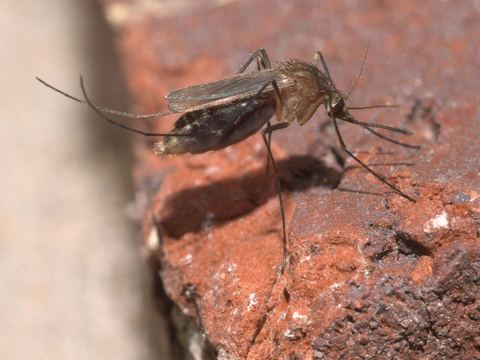
Aedes notoscriptus is the one tied to urban areas and local complaints. It breeds in clean water around the home, stays within about 0.4 km of houses, and gets going in the warm months when reticulation starts.
The long-distance biter
Aedes vigilax breeds in brackish wetlands and streams, bites at all times, and generally travels 5 to 8 km, sometimes up to 100 km. That's why a dry yard can still get bites. The Shire expects saltmarsh breeding especially along the upper tidal reaches of the Serpentine River.
Snakes
In November 2024 the Shire named the dugite, the tiger snake and, in parts of the Shire, the death adder as common. Its Rangers and Operations team don't attend snake removal requests, so have a licensed snake catcher's number handy.
A weekly water walk around the block
- Tip out buckets, pet bowls and bird baths, and refill them fresh.
- Check pot plant drip trays and self-watering pots.
- Clear gutters that hold water after rain.
- Look in the leaf bases of bromeliads, which hold water too.
- Get rid of old tyres, or drain them.
New house, same termite question
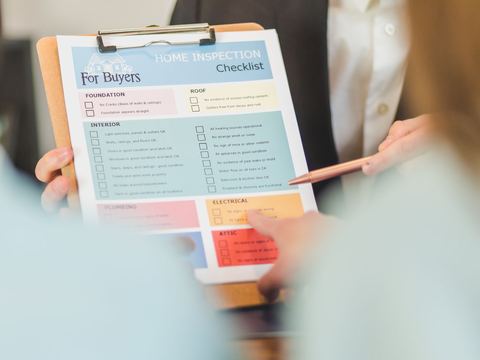
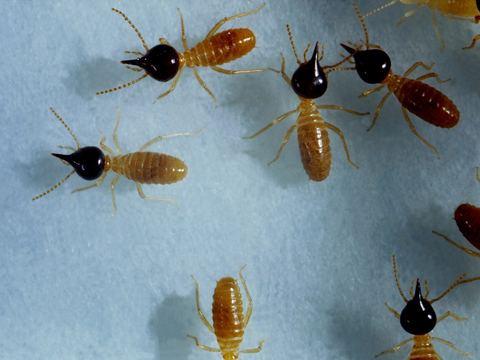
A new build doesn't take termites off the list. Building and Energy says the first sign inside can be slight discolouring of a wall surface, then warping where timber panelling lines the wall. Fix plumbing and roof leaks quickly, and if you find damage, don't disturb it.
If you're weighing up baiting, it's worth knowing about 30 bait stations are needed for a typical house, they need regular inspection, and outside baiting isn't always possible in built-up areas without enough space around the building. On a tight lot, ask about that before you commit.
Bees and hives
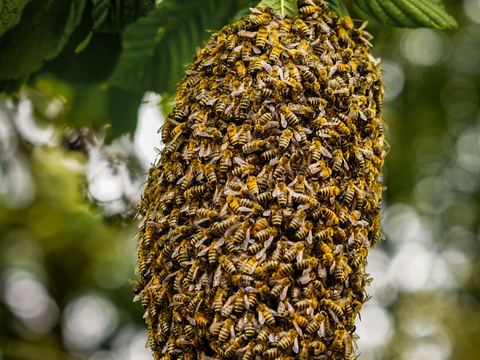
Keeping hives in the Byford townsite needs a Shire permit. If bees have moved into a wall or roof, a beekeeper or pest business can tell you the options. Don't try to deal with them yourself.
Who else you might need
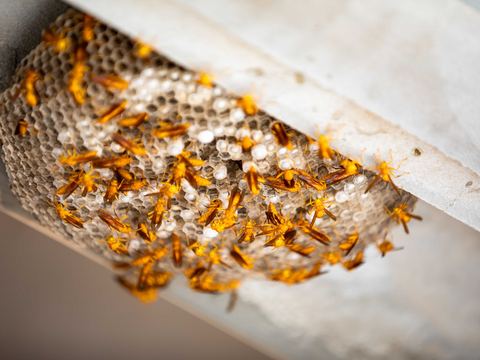
A suspected European wasp goes to DPIRD, or MyPestGuide Reporter, not to a pest business. WA's register of pest businesses isn't public, so ask any business for its registration number and look for it on the vehicle.

What we'd do on a Byford block
We'd make the water walk a weekly habit from September, keep the lawn short near the house, and get a termite inspection done each year. Noises in the roof or something else you've found? Tell us with your postcode.
Want someone to look at it?
Tell us what you've seen and your postcode, and a local pest business that handles exactly that calls you to talk it through.