Bait and bites
If a child swallows rodent bait, call the Poisons Information Centre on 13 11 26 straight away; if a pet does, go to the vet now. After a rodent bite, clean the wound with soap and water and see a doctor, as NSW Health advises.
Rodents around Adelaide
Two kinds of rat
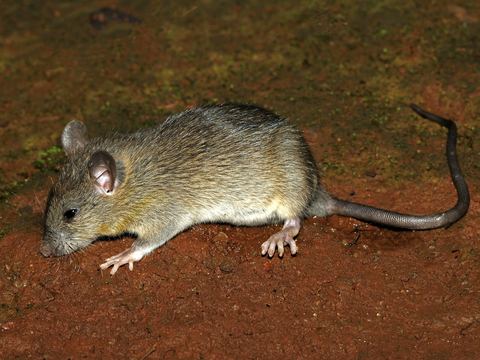
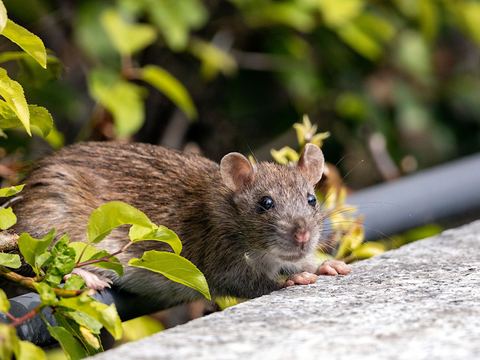
The City of Adelaide says Norway rats dig tunnels and burrows at ground level, while roof rats keep to trees, vines, rafters and the upper parts of buildings. Scratching in the ceiling and burrows under the deck point to different rats.
The signs council lists
Droppings about 1 cm long, gnawed materials, food with teeth marks, greasy marks along their runs, and noises in the ceiling or under the floor, according to the City of Adelaide.
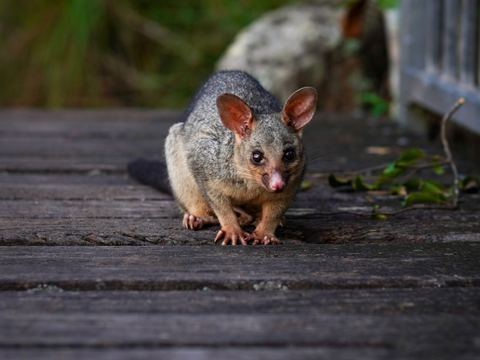
Native animals that look like mice and rats
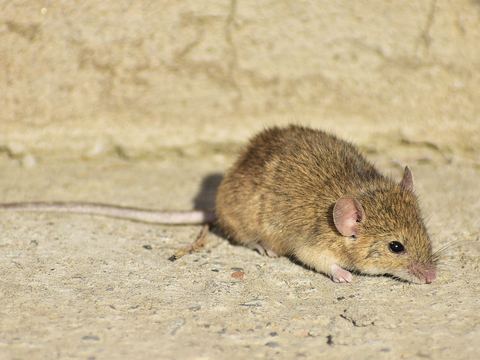
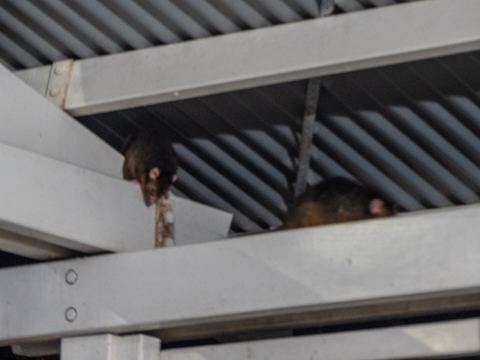
South Australia's environment department says the yellow-footed antechinus, a small native marsupial, is commonly mistaken for the house mouse, and native swamp rats sometimes turn up in veggie gardens. Get a photo before anything else happens.
Fruit trees and wood stacks
The City of Adelaide suggests storing timber at least 30 cm off the ground, picking up fallen fruit and keeping food in sealed containers. Those three cover most of what draws rats into an Adelaide backyard.
Roof rat, Norway rat or mouse?
| Roof rat | Norway rat | House mouse | |
|---|---|---|---|
| Where | Roof void, trees, vines, upper floors | Burrows at ground level, under buildings | Inside, in wall gaps and cupboards |
| Body | Slender, pointed nose, big thin ears, tail longer than the body | Heavier, blunt nose, short thick ears, tail shorter than the body | Small and slender, large hairy ears |
| Droppings | Spindle shaped | Banana or sausage shaped | Small, spindle or irregular |
Why bother
Rodents chew electrical cables, woodwork and food containers. NSW Health says leptospirosis bacteria can be in rat and mouse urine and enter through cuts, and mice can also spread gut infections such as salmonellosis. When cleaning up droppings, it suggests gloves, a waterproof dressing over any cuts, and washing your hands with soap afterwards.
What a rodent job usually involves
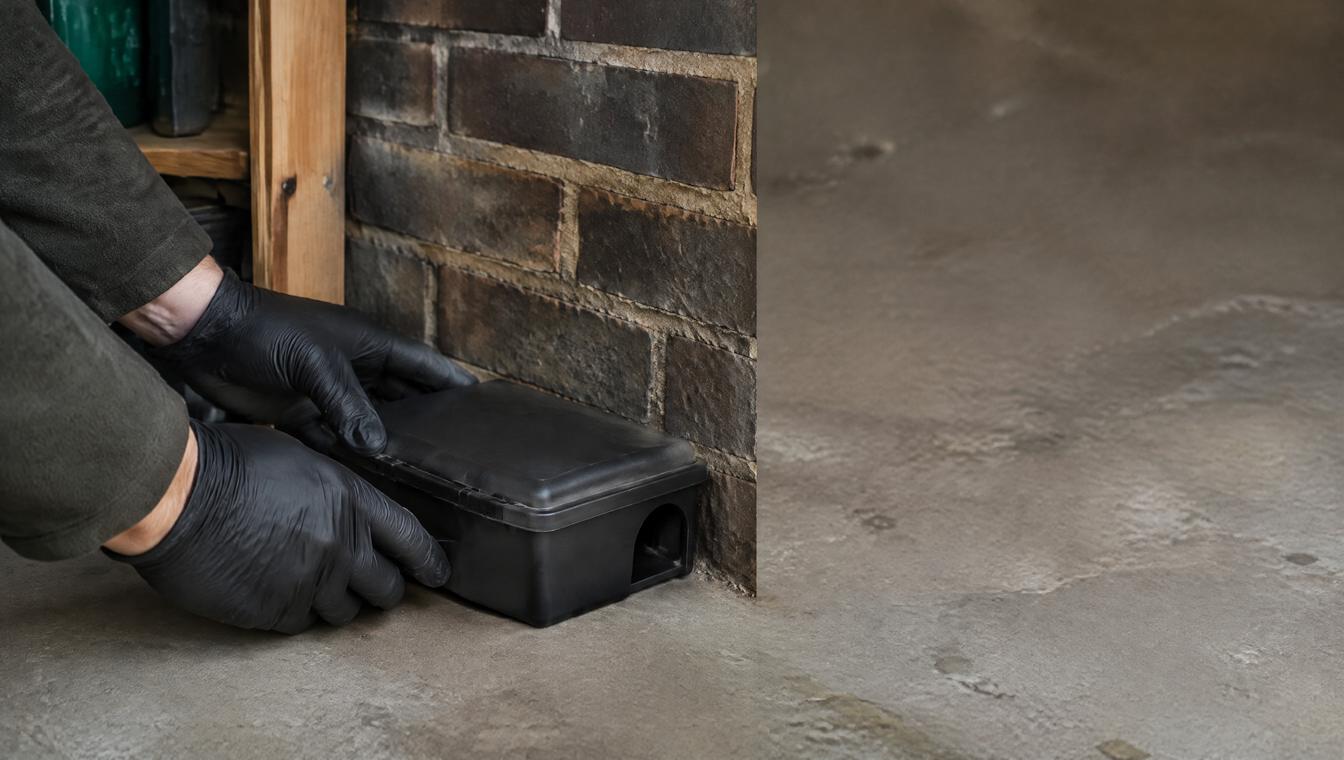
A technician inspects the roof space, subfloor and outside walls to find activity and entry points, then sets traps or bait stations (locked boxes that hold rodent bait) where children and pets can't reach them. The bigger part is often proofing: closing gaps around pipes, vents and roof edges so new rodents can't follow.
Expect at least one follow-up visit to check activity and replace bait. What makes the job bigger: several entry points, a large or hard-to-reach roof, neighbouring sources such as sheds or overgrown lanes, and how long the rodents have been there.
Worth asking
- Could this be a native animal rather than a rat or mouse?
- Which product are you using, and can I have its full name?
- Where will the bait stations go, and are they lockable?
- Which entry points will you seal, and is that included?
- When will you come back to check?

Our take on rodent control in Adelaide
Clean up the fruit, the wood stack and the pet food first, then get the gaps found and closed. Baiting without proofing tends to become a subscription. If you can't tell what's in the ceiling, tap Rats or mice and the technician can work it out.
Want someone to look at it?
Tell us what you've seen and your postcode, and a local pest business that handles exactly that calls you to talk it through.