
What's different in Osborne Park
Herdsman Lake and midges
The City of Stirling calls Herdsman Lake the suburb's largest park, a regional recreation area and wildlife sanctuary. A 2007 plan prepared for the City said wetlands in its catchment were generally nutrient rich, with most affected by algal blooms and midge problems. The City takes enquiries about midges, but says no chemical is registered specifically for midge control in lakes and wetlands.
Land that was drained
That plan says Osborne Park was first drained around 1912 for agriculture, with the lake taking the water. Termites like damp timber, so keep drains running and downpipes connected.
A traditional wasp hotspot
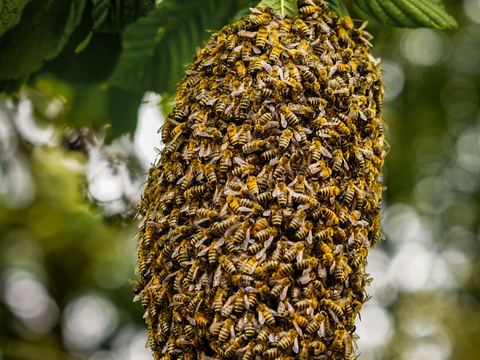
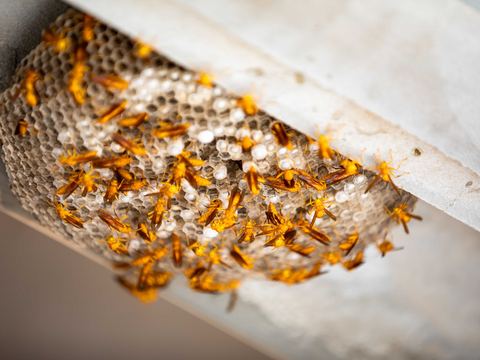
In November 2023 the WA Government named Osborne Park among the traditional European wasp hotspots, which it described as freight areas and the industrial areas freight goes to. That's a pattern, not a nest in your street. Report a suspected one to DPIRD.
Possums by the lake
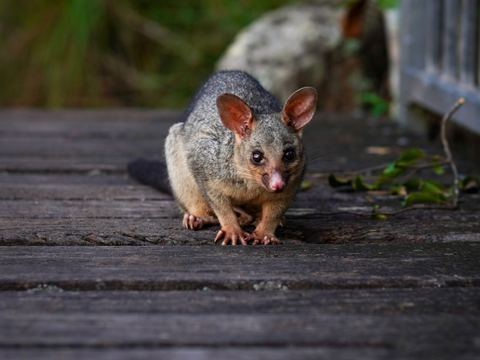
The 2007 plan recorded anecdotal sightings of brushtail possums in roof spaces in the homes next to the lake. Possums are protected in WA, so that job is proofing.
If you run a business here
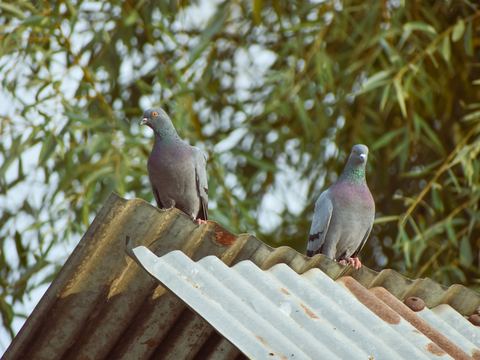
The City says the industrial area holds showrooms, retail outlets and offices, and by the 1980s industry dominated most of the suburb. WA Health says feral pigeons roost and breed in roof spaces, on steel beams and inside factory units, and nest along ledges and air conditioning units.
Their droppings are corrosive, and pigeons can damage rooftop machinery and attract ticks, cockroaches and rats. WA Health also warns that poorly designed proofing can leave birds fatally trapped, and that neighbours need to proof too, which matters in a row of shared units. Our commercial pest control page covers what a business usually asks for.
At home
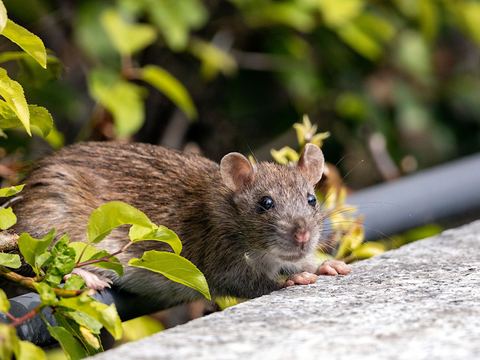
The City says most remaining homes date from the 1960s and 1970s, generally single detached brick and tile, with newer unit developments more recently. It also says rats are well established in most cities and suburban areas.
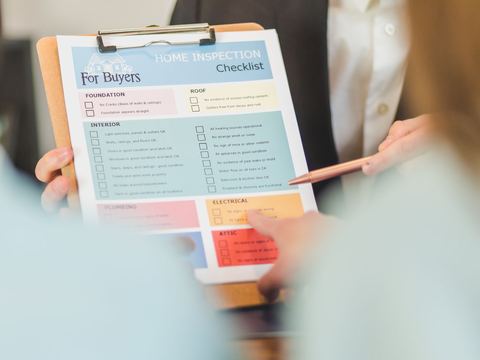
WA's Building and Energy recommends a termite inspection at least once a year, and that applies to units with shared walls as much as houses. If you find termites, don't disturb them.
If you manage a unit or showroom
- Note where pigeons land and nest, and take photos from the ground.
- Ask your neighbours whether they would proof at the same time.
- Check bins, loading areas and staff kitchens for food that rats can reach.
- Ask for a written quote showing contact details, licence details and an ABN.

How we'd handle it
For midges, we'd talk to the City and cut back the outdoor lights, since midge are drawn to light and this isn't usually a pest business job. For pigeons, rats or noises in the roof, tap what you've seen and your postcode, and mention whether it's a home or a business.
Want someone to look at it?
Tell us what you've seen and your postcode, and a local pest business that handles exactly that calls you to talk it through.