Melbourne's roof birds
Mynas started here
The Australian Museum says the common myna was brought to Melbourne from south-east Asia between 1862 and 1872. Its favourite nest sites are in the walls and ceilings of buildings, and it uses roof voids as shared roosts.
Myna breeding season
In Australia mynas breed from October to March. A gap under the tiles that's quiet in winter can be a busy nest by November, so autumn and early winter are the easy time to close it.
Gulls on flat roofs
Greater Dandenong City Council says the usual seagull roosting season runs from July to October or November, and that plenty of flat roof space draws them in. Silver gulls are native birds protected under Victoria's Wildlife Act 1975, and harming them is an offence.
Done badly, proofing breaks the law
The same council warns that ineffective or inhumane use of roof exclusion structures is an offence under the Wildlife Act. With native birds, how the job is done matters as much as whether it's done.
Why it's worth doing
Greater Dandenong lists corrosion from droppings, blocked gutters and flooding, and dirty stormwater off the roof among the problems large bird numbers bring. Nesting material in a gutter or downpipe can send rainwater where it shouldn't go.
On health, the council says Victoria's health department advises there are no specific public health risks from seagulls and their droppings. Clean up with gloves anyway, and don't sweep dry droppings into the air.
What the job usually involves
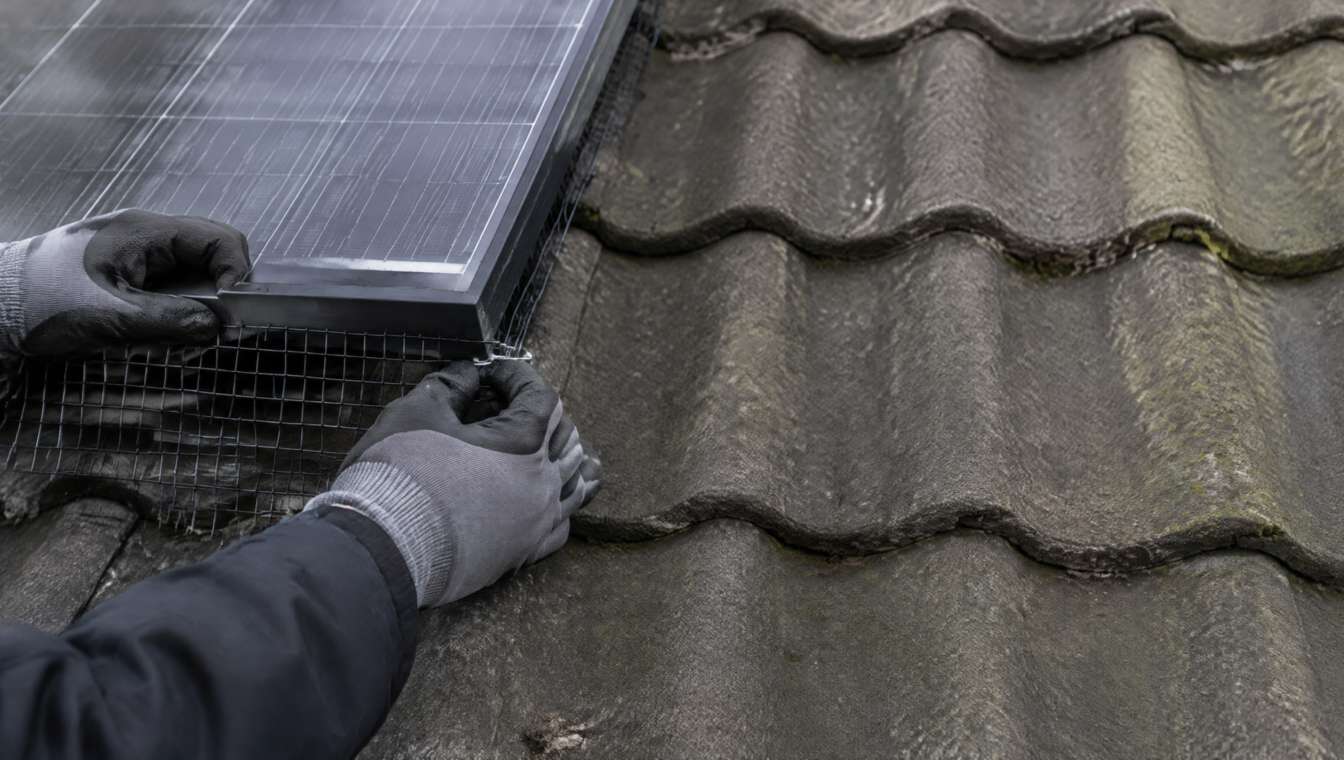
The pest business works out which birds they are and where they get in or land. Proofing then means closing roof and eave gaps, fitting mesh around solar panels and vents, and making ledges harder to perch on, followed by clearing out old nesting material and droppings.
Greater Dandenong's advice is that stopping birds reaching their roosting spots is the most effective step. Feeding birds near the house keeps them coming back, proofing or not.
Your part, and the pest business's
You can
- Stop putting out bread or seed near the house, and keep bins and pet bowls covered.
- Watch from the ground for where birds go in, and photograph it.
- Keep gutters clear, or have someone do it for you.
- Leave any active nest alone and mention it when you get in touch.
Leave to a pest business
- Roof and solar panel work at height.
- Fitting mesh, caps and perch deterrents properly.
- Removing old nests and droppings once birds are out.
- Checking which rules apply to the birds involved.
Ask before the work starts
- Which birds are these, and are they native?
- Will you check for eggs or chicks before closing anything?
- What will you fit, and how will it look from the street?
- Will droppings and nesting material be cleaned out, and how?

Where we'd start with bird proofing in Melbourne
We'd find the entry points in autumn or early winter, before mynas start nesting, and have them closed then. If the birds might be native, we'd ask the pest business what the law allows before anything is done to a nest. Tap Possum or birds to start.
Want someone to look at it?
Tell us what you've seen and your postcode, and a local pest business that handles exactly that calls you to talk it through.