Bull ant and jumper ant stings
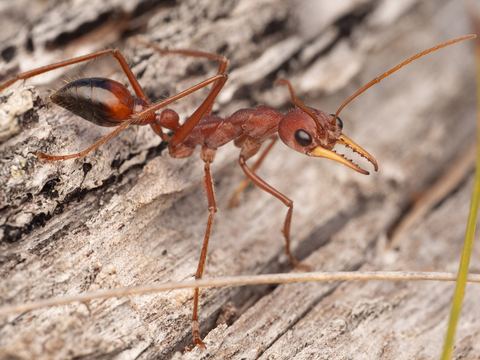
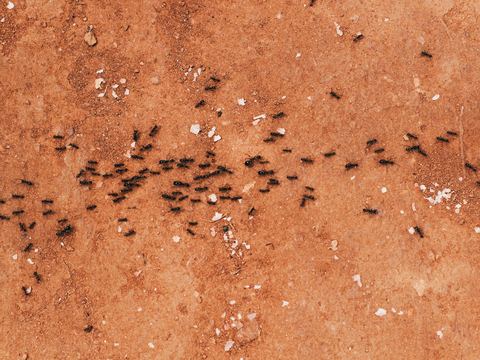
Bull ant stings hurt and can sometimes cause anaphylaxis. Scrape out any visible stinger with a card, wash with soap and water and hold a wrapped ice pack on it for 15 minutes. If someone has trouble breathing, a swollen tongue or throat, or collapses, use their adrenaline autoinjector if they have one and call 000.
The pest ants Victoria's health department names
Black house ants
Intensely black, 2.5 to 3 mm long, with a strong smell when crushed. They nest outside along paths and rockeries, and often indoors in ceilings, cavity walls and subfloors.
Argentine ants
Slender, brown, 1.5 to 3 mm and no smell when crushed. They march in slow, wide trails, often up tree trunks, and move indoors in wet weather. The department says they can recolonise a treated yard from next door within two weeks, so neighbours matter.
White-footed house ants
Shiny black, 2.8 to 3.5 mm, busier at night. They come in through small cracks, trail to food, and sometimes nest in wall cavities or behind cupboards and skirtings.
Singapore ants
Western Australia's agriculture department lists them as established in Victoria. Victoria's health department says they can nest in power sockets, chew wiring and have been behind electrical fires, so ants around a power point deserve a call.
Why spraying can make it worse
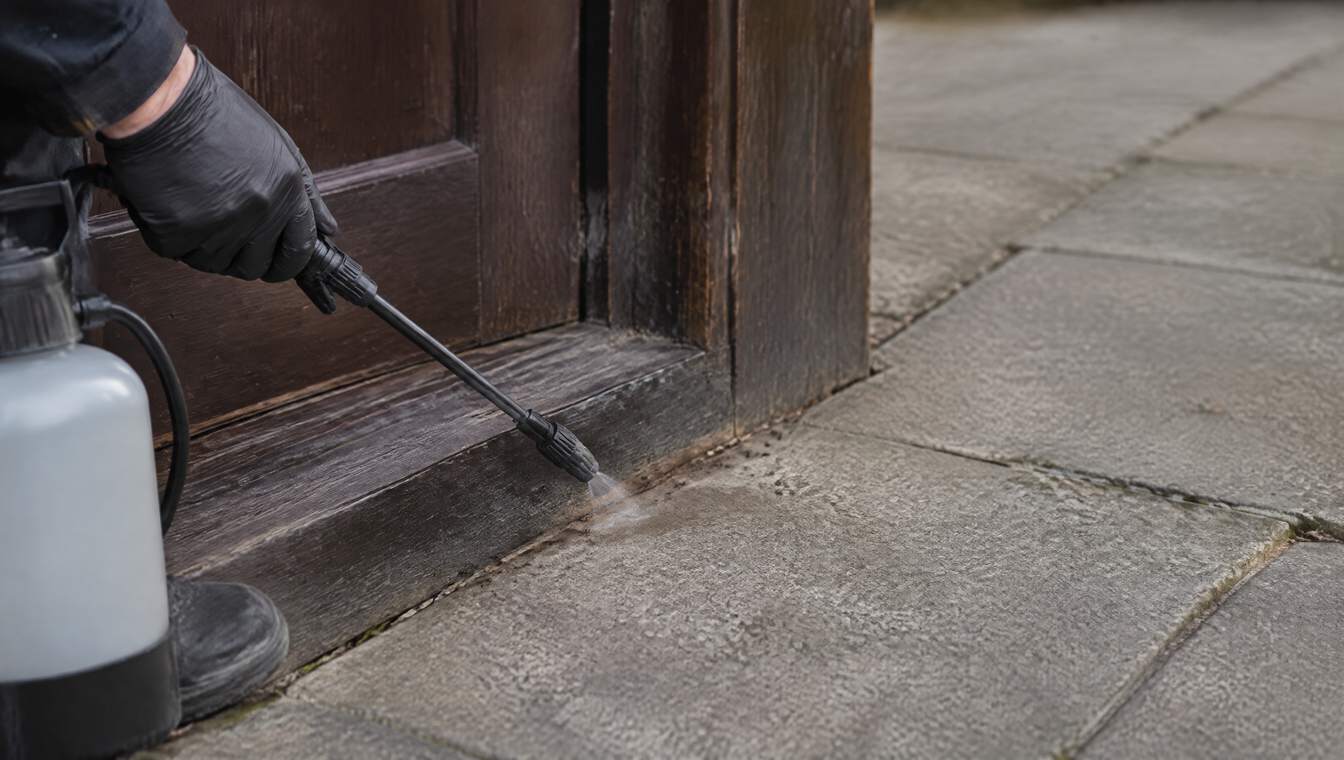
Victoria's Department of Health says Pharaoh's ants shouldn't be sprayed at all, because it splits one colony into several and tends to make the problem bigger. That's why a technician wants to know the species before choosing a product.
A common approach is a bait the workers carry back to the nest, placed where the trails run, sometimes with a treatment around the outside of the house. Expect a follow-up for Argentine ants, given how fast they come back.
Sugar ants, bull ants and the termite question
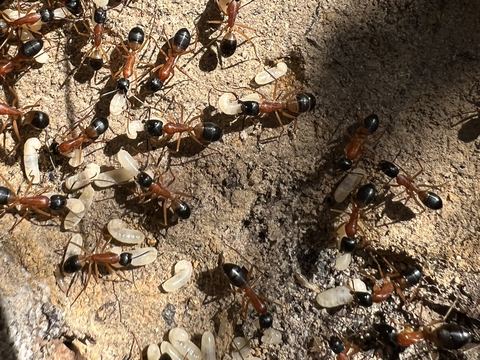
Sugar ants are carpenter ants, 5 to 15 mm with an orange-brown middle, and they forage under lights on summer nights. The department says carpenter ants rarely come indoors and rarely damage buildings; they prefer damp, rotting wood to sound timber.
Bull ants nest underground with small, hidden entrances and defend them hard. A nest beside a path or a sandpit is worth having treated. One near the back fence, away from where people walk, we'd usually leave in peace.
Ants can't damage sound timber. If you've found wood that's hollow or crumbling, think termites, not ants, and read our Melbourne termite page.
Worth doing before anyone comes
You can
- Wipe trails with warm soapy water to clear the scent they follow.
- Keep sugar, honey, pet food and fruit sealed or in the fridge.
- Rinse recycling and keep bin lids shut.
- Follow a trail back to where it comes in, and photograph a few ants beside a coin.
Leave to a pest business
- Working out the species, which decides the product.
- Baiting or treating nests in walls, ceilings and subfloors.
- Bull ant nests near paths or play areas.
Questions for the technician
- Which ant is this, and how does that change the treatment?
- Will you use bait, a spray or both, and what are the full product names?
- How long before we see fewer ants, and will you come back?
- Is there anything my neighbours should know?

Our take on ant control in Melbourne
A few ants after rain usually just need a wipe-down and sealed food. If the trail is back every day, comes out of a wall or a power point, or the ants bite or sting near where kids play, we'd photograph them and tap Spiders or ants.
Want someone to look at it?
Tell us what you've seen and your postcode, and a local pest business that handles exactly that calls you to talk it through.