Two inspections, two different professions
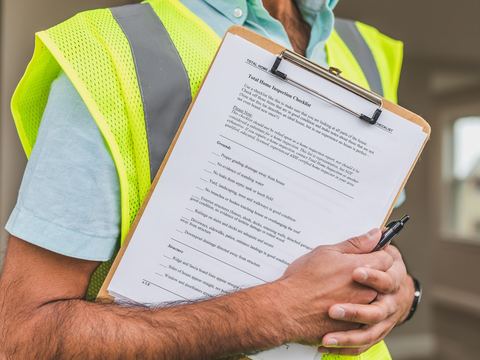
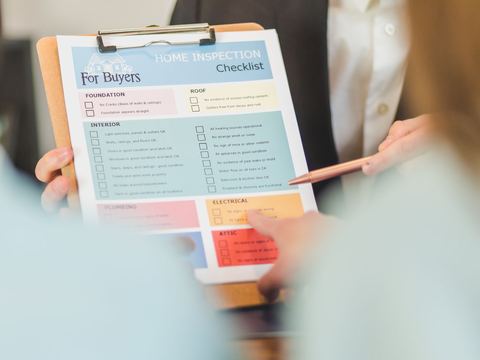
"Building and pest" is really two jobs. The building inspection looks at the structure, roof, plumbing and defects, and Consumer Affairs Victoria suggests a qualified building inspector, surveyor or architect for it, before you sign the contract. The pest half is a timber pest inspection, done by a termite inspector, looking for termites, past damage and the conditions that invite them.
We pass on the timber pest half only, so tap Buying a home and your postcode for that. Book the building inspector separately; some firms do both, so it's worth asking.
Buying in Melbourne: what's worth knowing
Council termite declarations
A handful of Melbourne councils declare or designate termite areas under Victoria's building rules: all of Glen Eira, the Mornington Peninsula Shire and Yarra Ranges, and parts of Williamstown, Newport and Spotswood. A home built there since the rule applied may have a termite management system you should ask about. A home outside them still needs the inspection.
Your own report, not the seller's
Consumer Affairs Victoria warns buyers to be wary of inspection reports offered by the agent or the seller, because commissioning your own is the only way to know it's independent. It also suggests choosing an inspection service with full professional indemnity insurance.
Pest inspections are on the state's list
Alongside the building inspection, Consumer Affairs Victoria tells buyers to consider a professional pest inspection for termites and other infestations. If anything is found, treatment in Victoria must be done by a technician whose licence includes timber pests.
What a good timber pest report covers
- Every area inspected, and every area that couldn't be reached (a locked shed, a low subfloor, a full roof space), with the reason.
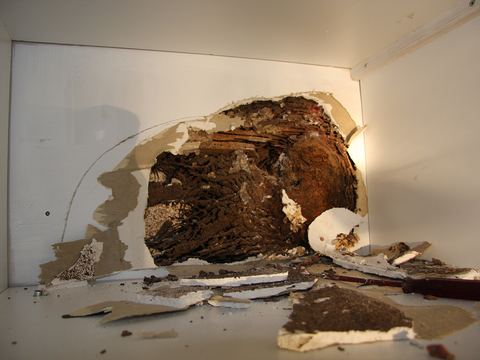
- Live termites, old damage, or both, and where each was found.
- Conditions that invite termites: leaks, poor drainage, timber touching soil, garden beds over the slab edge.
- Whether there's a durable termite notice, usually in the meter box, naming the system and the date it went in.
- When the next inspection should be, and what the inspector recommends doing before then.
Reading the report before you sign
Read the limitations first. A report that couldn't get under the floor or into the roof has told you less than it seems, and it's reasonable to ask whether a second visit is possible before the sale goes through.
If the inspector finds live termites, ask that nothing is disturbed, since CSIRO says several control options need the termites to stay active. Then ask what treatment would involve and roughly how much of the house it touches, so you and your conveyancer can decide what to do next. Old damage with no activity is a different conversation: ask whether it was treated and whether repairs were done.
Questions for the inspector
- Will you get into the roof space and the subfloor, and what happens if you can't?
- Do you carry professional indemnity insurance?
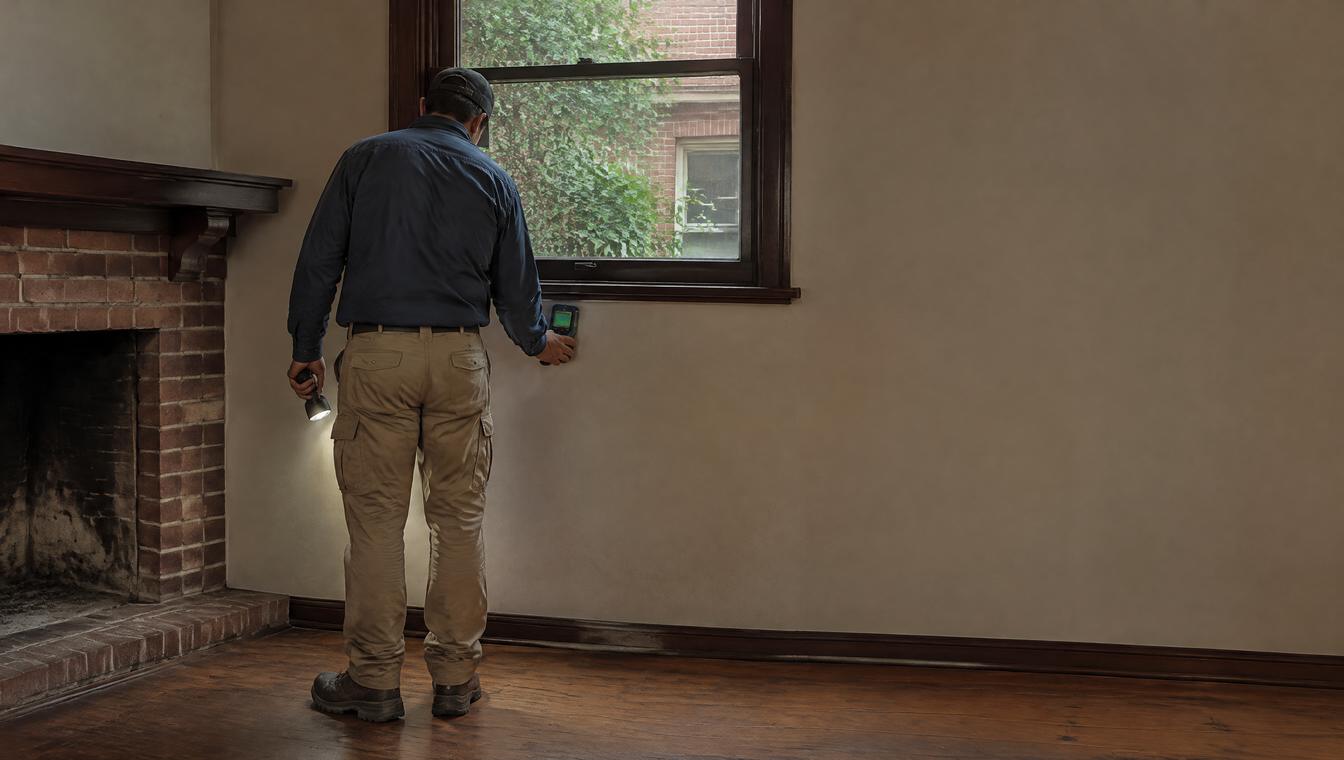
- Do you use a moisture meter or other tools, and will the report say so?
- When will I have the written report, and can I call you about it?
- If you find termites, will you leave them undisturbed?

Where we'd start with pre-purchase pest inspections in Melbourne
We'd book both inspections ourselves, the building one and the timber pest one, and we'd want the pest report in hand before we were committed to the sale. A clean report with a long list of areas not inspected isn't a clean report.
Want someone to look at it?
Tell us what you've seen and your postcode, and a local pest business that handles exactly that calls you to talk it through.