Who to call in Geelong
Questions about possums: DEECA
The City of Greater Geelong sends possum questions to DEECA, the state's environment department.
Hurt, sick or orphaned: Wildlife Victoria
For injured, sick or orphaned wildlife, or an animal in a residential street, the council points people to Wildlife Victoria.
Living in your roof: a pest business
A healthy possum using your roof as a bedroom is a proofing job. Possums are protected under Victoria's Wildlife Act 1975 and must not be harmed or kept without DEECA approval, so the work is about the roof, not the animal.
Is it a possum, and which one?
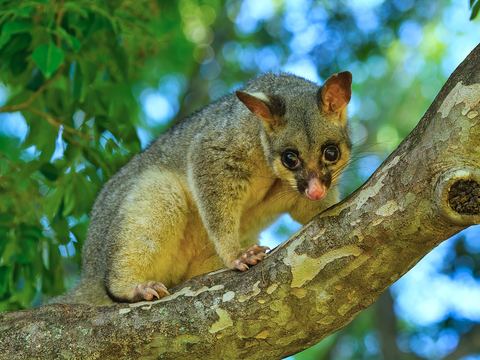
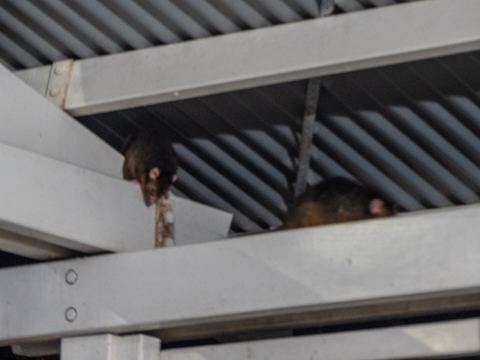
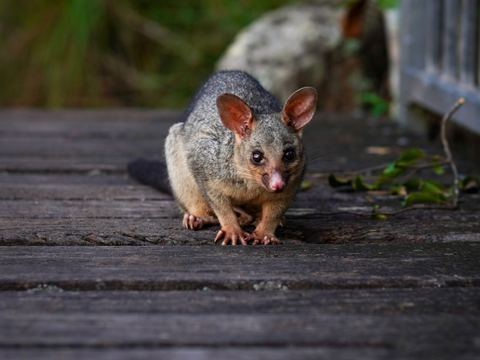
Heavy footsteps after dark, then quiet by day, usually mean a brushtail. The Queensland Government says brushtails move into roofs looking for a dry place to sleep and head out at night to feed, and their calls include deep, guttural coughs and sharp hisses. Look for a silvery grey animal with a bushy, black tipped tail.
A ringtail is about the size of a cat, grey with white patches behind the eyes, and has a curling tail with a white tip. It spends nearly all its time in trees and builds a round nest of grass and bark called a drey, so it's less often the one in your ceiling. Lighter, faster scratching is more likely rats or mice; our roof space page helps tell them apart.
What Victorian law allows
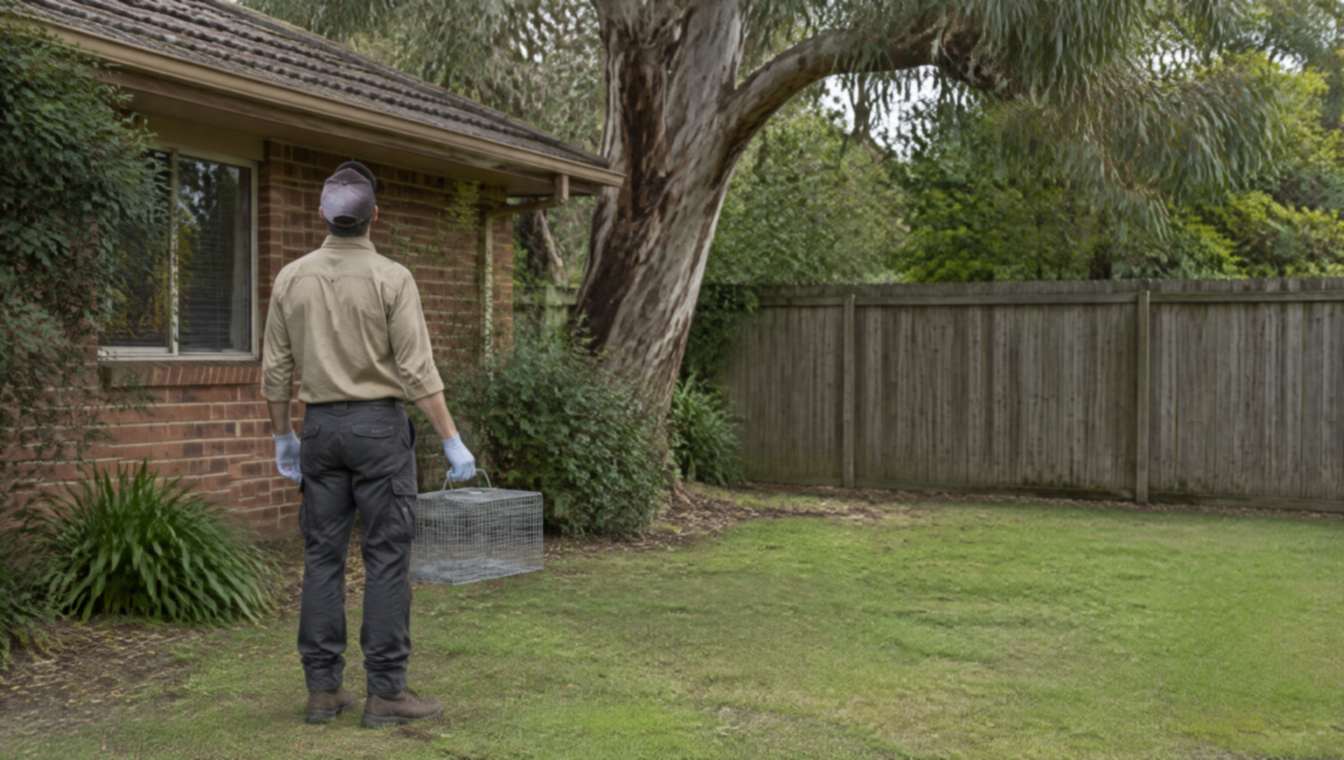
In Victoria, only certain people may trap a common brushtail possum: the owner or occupier and their family, building managers and their staff, or a DEECA licensed wildlife controller. It has to be a cage trap made not to injure, and the possum must be let go on the same property, no more than 50 metres away, after sunset on the day it was caught.
Trapping a ringtail without a permit is illegal. Lethal control needs an Authority to Control Wildlife from DEECA, and that's only issued once every practical non-lethal option has been tried. We'd leave any trapping to the professionals and put the effort into proofing. Our possums and the law guide compares the states.
How a proofing job usually runs
Find the way in
The technician inspects the roof and eaves for gaps, and may watch at dusk to see where the possum comes out.
Wait until it's out
Entry points are closed only once the possum has left to feed, so nothing ends up shut inside.
Close the gaps properly
Broken tiles, gaps at the fascia, vents and where trees touch the roof are the usual ones. Ask what material they'll use.
Give it somewhere else to sleep
Ask about fitting a possum box on a tree in your yard. NSW Government guidance suggests mounting one at least 4 metres up.
Listen for a few nights
Any scratching after the job means something was missed or trapped inside, so call the business back straight away.

Where we'd start with possum removal in Geelong
Spend one evening watching the roofline at dusk and note where the possum appears. Then tap Possum or birds with your postcode, and tell the business what you saw.
Want someone to look at it?
Tell us what you've seen and your postcode, and a local pest business that handles exactly that calls you to talk it through.