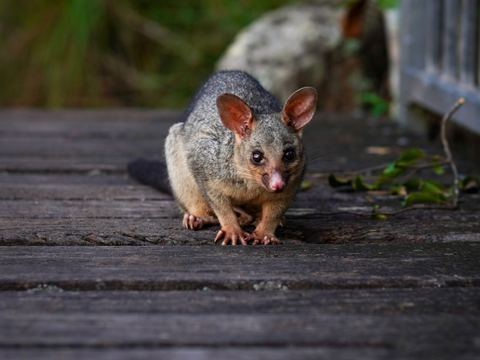
Brushtail or ringtail?
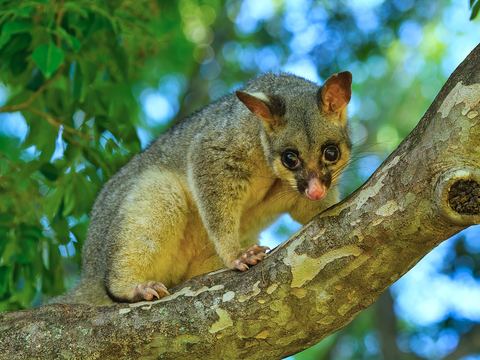
The common brushtail is usually silvery grey with a black band across the snout, a pale belly and a black tip to its bushy tail. The common ringtail is about the size of a cat, grey with white patches behind the eyes, and has a long gripping tail with a white tip.
Ringtails are almost entirely tree dwelling and build a round nest called a drey from grass and shredded bark. So a possum living in your roof is usually a brushtail. Both are protected in NSW under the Biodiversity Conservation Act 2016.
How a lawful possum job runs in NSW
Confirm it's a possum
Brushtails are noisiest in the breeding season, with deep coughs and sharp hisses, and you'll often hear them scampering over the roof at night. Scratching and gnawing is more likely a rat.
Give it another home first
NSW Government guidance suggests a nest box secured at least 4 metres above the ground, put up before any gap is closed.
Catch and release, only if needed
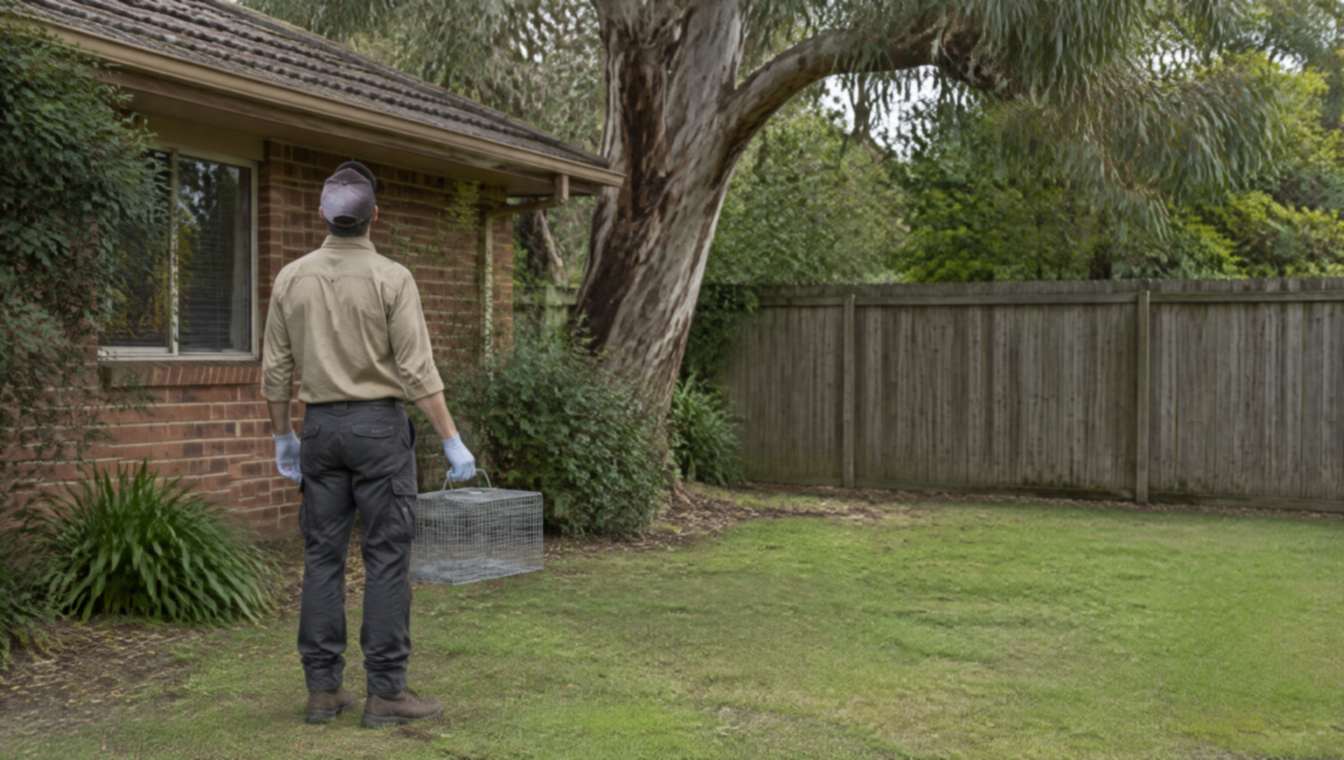
If the possum won't move out, only a licence holder may catch it. The release is at dusk, no more than 150 metres away, next to a tree or tall fence it can climb.
Close the gaps at night
Entry points are closed once the possum has gone out to forage, usually after dark, so nothing is shut inside.
Watch for a few nights
Check the roofline at dusk afterwards. Noise that comes back means another gap the technician needs to find.
What's local on the Coast
Suburbs that run into bush
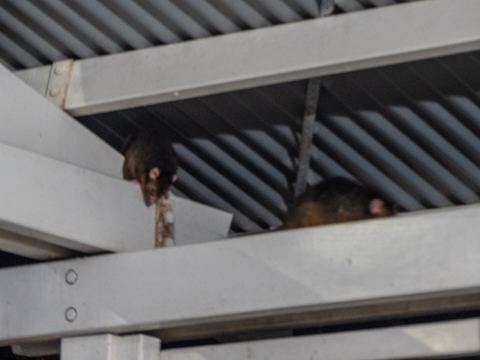
The Australian Museum says the brushtail lives in forests, woodlands and heath as well as towns, and has adapted well to urban living. By day it retreats to a hollow log, a tree trunk or any dark space, even the inside of a house roof.
One set of rules, Gosford to Wyong
In NSW it's illegal to relocate or kill a possum, or to trap or catch and release one, without a licence. Catch and release operators are licensed by the department's Biodiversity and Heritage Regulator, and it's fair to ask the person turning up for proof that theirs is current.
Black rats in the roof too
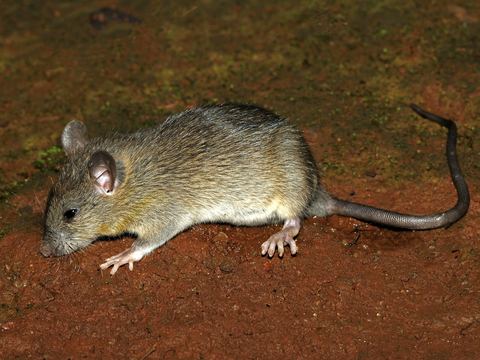
Black rats live in roofs, wall cavities and trees, the Australian Museum says, and are very agile climbers. If the droppings are small, black and torpedo shaped, it's a rodent job instead.
What's yours, and what isn't
You can
- Watch the roofline at dusk and note where the possum comes and goes.
- Photograph the entry point from the ground.
- Put up a nest box before anything is sealed.
- Cut back branches that hang over the roof, if you can do it from the ground.
Leave to a pest business
- Catching and releasing the possum (a licence holder only).
- Finding every entry point from inside the roof.
- Closing gaps so the roof stays watertight.
- Checking for rats or birds using the same way in.

If it were our house on the Central Coast
We'd put the nest box up before anything else, then get a pest business to find and close the entry points on a night the possum is out. Tap Possums and your postcode.
Want someone to look at it?
Tell us what you've seen and your postcode, and a local pest business that handles exactly that calls you to talk it through.