How do you recognise one?
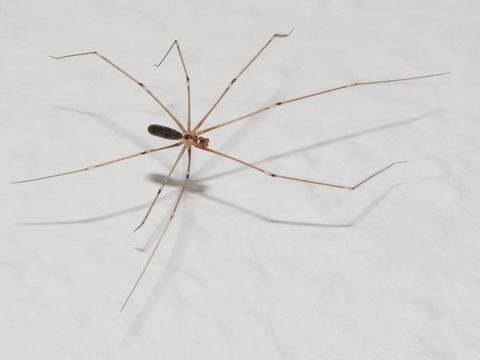
The legs give it away. They're extremely long and skinny, holding up a body that looks far too small for them. Up close, the Australian Museum describes a pale front section (the carapace) with a brown patch on it, and a cream to pale brown abdomen with light markings.
There's a second test if you're unsure. Touch the web gently with a broom handle and the spider shakes itself so fast it turns into a blur. Once you've seen it, you won't mistake it.
Where they live
Mostly indoors, in the quiet spots nobody dusts. They hang thin, tangled webs under furniture, behind doors and up in the corners of the ceiling, often in laundries, garages and spare rooms.
They're found right across Australia. The one in your house is a cosmopolitan species that arrived here by accident, and the Australian Museum says about 60 native species from the same family live here as well.
Is the venom story true?
You've probably heard it at school: the daddy long legs has the most toxic venom of any spider, but its fangs are too short to bite. The Australian Museum says there's no scientific evidence for the first half of that.
The fangs really are tiny, about 0.25 mm. One test found they could pierce human skin, and the sting that followed was very short-lived. The museum's guess is that the myth started because a daddy long legs will catch and eat a redback, and eating a redback doesn't make a spider any more venomous.
Is it doing any harm?
Very little. It eats insects and other spiders, redbacks included, so a few in the garage or laundry are quietly working for you. The real complaint is the webs: they gather dust and look untidy, especially in high corners.
If the webs bother you
You can
- Brush or vacuum webs from ceiling corners and from behind doors every few weeks.
- Pull furniture away from the wall now and then; they settle where nothing moves.
- Fix torn flyscreens so fewer insects come in to feed them.
- Switch off outdoor lights you don't need at night, since lights draw the insects they eat.
Leave to a pest business
- Webs right through the house, garage or shed when you'd rather a treatment than a weekly clean.
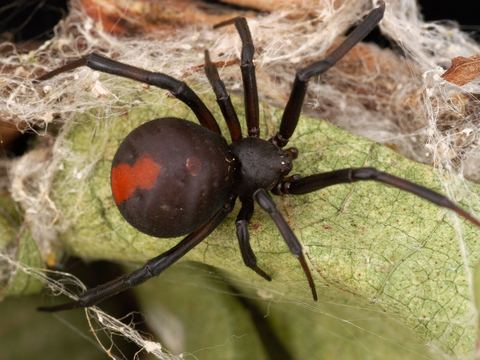
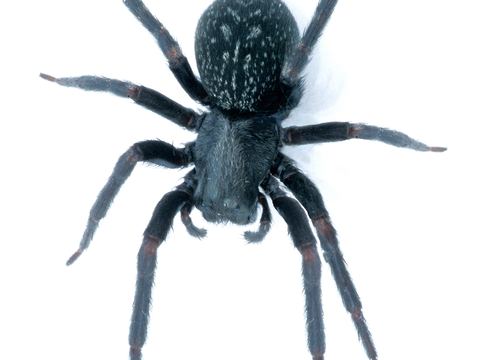
- Other spiders turning up alongside them, such as redbacks in the shed or black house spiders on the window frames.

Our take on the daddy long legs spider
We'd leave them be. A daddy long legs in the corner is eating the insects and spiders you like less, redbacks among them, and there's no evidence it's a danger to anyone. If the webs across a whole house are more than you want to keep up with, a general spider treatment is a fair thing to ask about: tap Spiders or ants.
Want someone to look at it?
Tell us what you've seen and your postcode, and a local pest business that handles exactly that calls you to talk it through.