
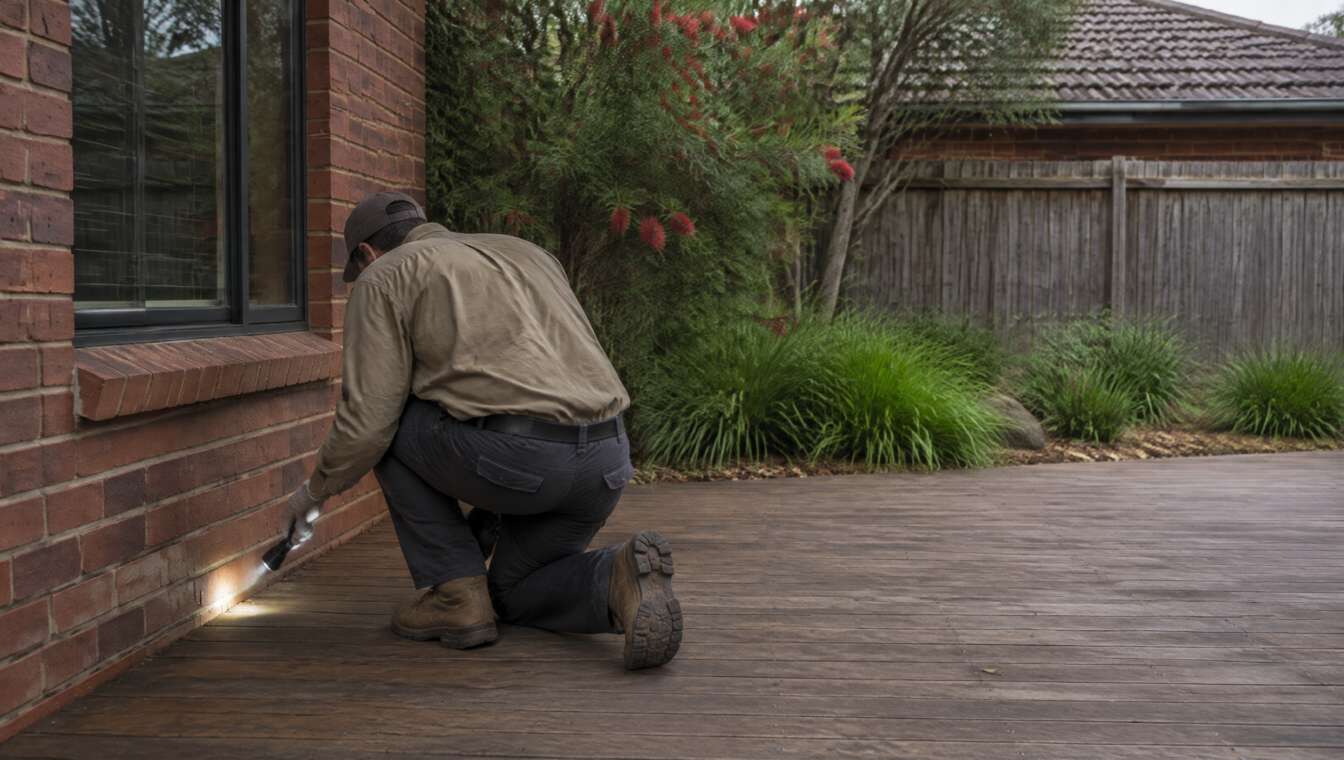
Launceston, Tasmania
Pest control in Launceston
In the Tamar Valley, wasps come first.
In Launceston, wasps are the pest to know first: European wasps peak in autumn, and exotic paper wasps have been found in the city, so those get reported to Biosecurity Tasmania.
- Matched to what you've seen
- Only one local pest business gets your number.
Matched to what you've seen
Before a pest business can take jobs from Which Pest, we record the jobs it handles, so a termite job never goes to a business that only sprays for spiders.
Only one local pest business gets your number.
We pass your contact details to one local pest business so it can contact you about this job.
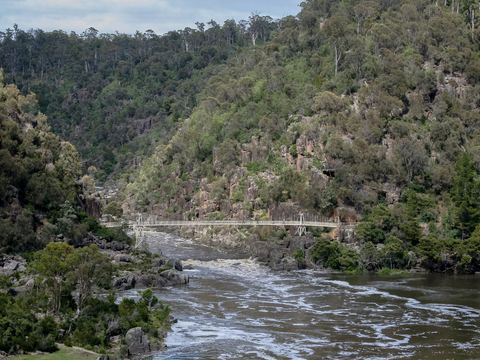
Pest control in Launceston: what to know before anyone calls
On this page
Near a wasp nest
Keep people and pets back from any nest and leave it undisturbed. If someone who has been stung has noisy breathing, swelling of the tongue or throat, wheezing, dizziness or collapses, use their adrenaline autoinjector if they carry one and call 000.
What's different in Launceston
Exotic paper wasps: report them
NRE Tasmania lists Launceston among the places exotic paper wasps have turned up, with Sorell, East Devonport and Latrobe. They're a declared pest in Tasmania, so a sighting goes to Biosecurity Tasmania, and NRE asks people not to disturb the nest.
European wasps: worst in autumn
European wasps reached Tasmania in 1959, in a Hobart suburb, and are now right across the state. NRE Tasmania says colonies reach full size late in summer and the wasps are most troublesome in autumn. Some nests survive the winter and grow again the next season.
Rodents: not every one is a pest
Of the rodents living in Tasmania, five kinds are native and three were introduced, according to the City of Launceston. The council lists droppings, gnawing, noises, smell and sightings as the signs of rats or mice, and it doesn't do pest control on private property: it points residents to a pest control company.
Termites aren't the starting point
The National Construction Code says termites aren't considered a risk in Tasmania. That's why a Launceston pest page starts with wasps rather than a termite inspection, as it would in Brisbane or Sydney.
Which wasp is it?
European wasps are stout, bright yellow and black, with all black antennae. They fly fast with their legs tucked in and hide their nests in the ground or in wall and roof cavities, so what you see is a stream of wasps using one hole. For these, NRE Tasmania says to contact a registered pest controller.
Paper wasps are slimmer, let their back legs dangle in flight, and build an open, upside down cone of cells under the eaves or on a branch. Tasmania has native paper wasps as well as the exotic ones. If you can't tell which you're looking at, photograph the nest from a distance and ring Biosecurity Tasmania before anyone treats it.
Rats, mice and possums
Scratching in the ceiling through the cooler months is often rats or mice; CSIRO says cooler weather sends mice indoors looking for shelter. Because some Tasmanian rodents are native, it's worth having a pest business confirm what's there before any bait goes down, and bait belongs in locked stations, out of reach of children and pets.
Heavier thumping at night is more likely a brushtail possum. They're protected in Tasmania and can't be taken without a permit, and NRE Tasmania says trapping and moving a possum generally doesn't work. The fix is finding where it gets in and closing that gap once it's out. Our possums page explains more.
Who can do the work in Tasmania
In Tasmania, the business holds the licence: a Commercial Operator Licence for insect and rodent control in and around buildings, issued by NRE Tasmania. Technicians hold a Certificate of Competency in the Pest Management Technician category. There's no public register to search, so ask to see both, or check with NRE's licensing team. Our Tasmania page has the detail.

Where we'd start with pests in Launceston
A paper wasp nest you don't recognise, we'd photograph from well back and report to Biosecurity Tasmania first. A European wasp nest, or anything scratching in the roof, we'd tap in with our postcode and let a local pest business take a look.
Want someone to look at it?
Tell us what you've seen and your postcode, and a local pest business that handles exactly that calls you to talk it through.
Questions
Pest control in Launceston: common questions
Will the City of Launceston deal with rats on my property?
No. The council says it doesn't carry out pest control on private property and refers residents to a pest control company.
Do I need a termite inspection in Launceston?
The National Construction Code says termites aren't considered a risk in Tasmania, so it isn't the usual first job here. If you're buying, ask your building inspector what they look for, and mention any soft or damaged timber you've noticed.
When are wasps worst around Launceston?
Late summer into autumn, when NRE Tasmania says nests are at full size. Watch outdoor food and drinks then, and look for wasps going in and out of the ground.
Seen a pest in Launceston? Tell us what it is.
What you have seen, one tap about it and your postcode. Then a local pest business that handles exactly that calls you.
Before anyone starts
The licence rules where you live
Related help
More on pest control in Launceston
 Pest control in TasmaniaTasmania's wasps, the Commercial Operator Licence, possum rules and who to call.Read it
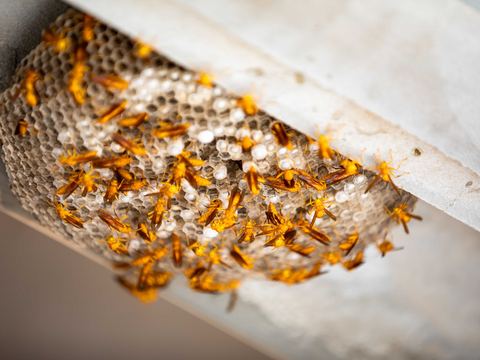 Wasp nest removalWhat to do first, which wasp it is, and why WA reports European wasps.Read it
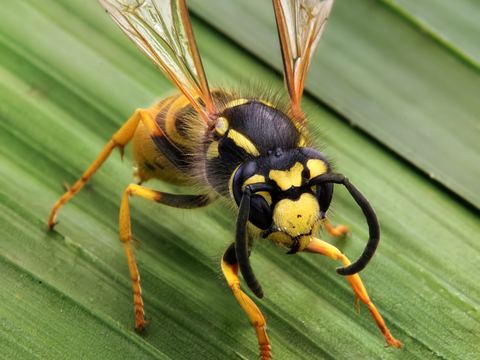 European waspHow to pick a European wasp from a paper wasp, find the nest without getting stung, and the WA report line.Read it
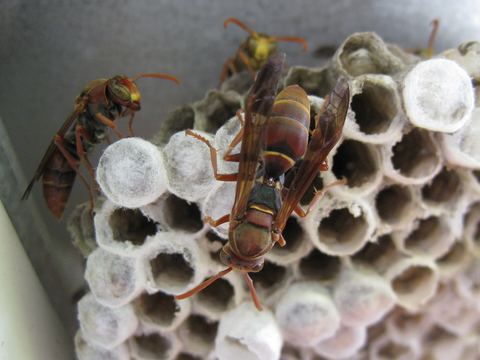 Paper waspHow to identify a paper wasp and its comb, sting first aid, and when a nest is worth a call.Read it
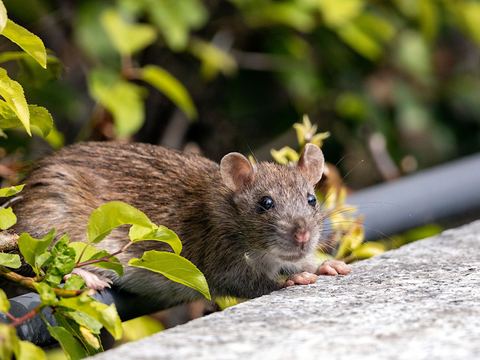 Rodent controlRat or mouse? Droppings, noises, what a pest business does and how to clean up.Read it
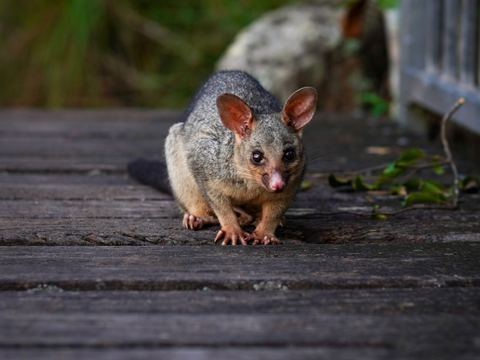 Possum removalWhy possum jobs are about proofing, and each state's catch and release rules.Read it
Where this information comes from
- Department of Natural Resources and Environment Tasmania (Biosecurity Tasmania) Exotic paper wasps, checked 3 November 2026
- Department of Natural Resources and Environment Tasmania (Biosecurity Tasmania) European and English wasps, checked 3 November 2026
- Australian Building Codes Board NCC 2022 Housing Provisions, Part 3.4 Termite risk management, explanatory information, checked 3 November 2026
- City of Launceston Rats and mice, checked 3 November 2026
- Department of Natural Resources and Environment Tasmania (Biosecurity Tasmania) European and English wasps, checked 3 November 2026
- NRE Tasmania (Department of Natural Resources and Environment Tasmania) Ground spraying and pest management licences, checked 3 November 2026
- NRE Tasmania Living with brushtail possums, checked 3 November 2026
- Victorian Department of Health (published by the then Department of Health and Human Services) Pest control technical note number 21: European wasps, checked 3 November 2026
- Australian Museum Paper wasps, checked 3 November 2026
- CSIRO Mouse plague in Queensland and New South Wales, checked 3 November 2026
- healthdirect Australia Bee and wasp stings, checked 3 November 2026
Rules and advice change, so check the source before you act on anything here. How we write and check these pages.