
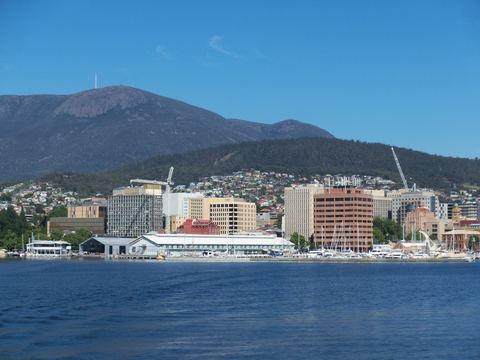
Burnie, Tasmania
Pest control in Burnie
Wasps in autumn, possums in the roof.
In Burnie, European wasps are the first pest to plan for, since they've reached every corner of Tasmania and peak in autumn, with possums in roofs and sheds close behind.
- Matched to what you've seen
- Only one local pest business gets your number.
Matched to what you've seen
Before a pest business can take jobs from Which Pest, we record the jobs it handles, so a termite job never goes to a business that only sprays for spiders.
Only one local pest business gets your number.
We pass your contact details to one local pest business so it can contact you about this job.
Pest control in Burnie: what to know before anyone calls
On this page
Wasps and spider bites
Stay well away from a wasp nest and keep pets inside. Call 000 if someone stung struggles to breathe or their tongue or throat swells, after using their adrenaline autoinjector if they have one. Treat a bite from any big black spider as an emergency too: call 000. For other bites, the Poisons Information Centre on 13 11 26 can advise.
What's different in Burnie
European wasps, statewide since 1959
First found in a Hobart suburb in 1959, European wasps have since spread to all of Tasmania, Burnie included. NRE Tasmania says nests are at full size by late summer and the wasps cause the most trouble in autumn.
Possums in roofs, sheds and yards
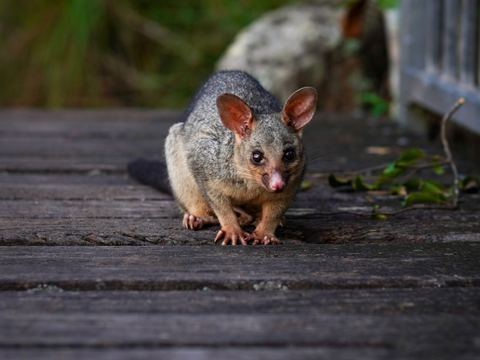
Roofs, sheds and backyards are where possums often settle, according to Burnie City Council. They're protected by law, and the council says you may not harm, catch or move one without the right permit.
The council's possum advice
Burnie City Council suggests waiting until the possum has gone out at night, then closing the roof entry points, and putting up a nest box so it has somewhere else to live.
Unfamiliar paper wasps go to Biosecurity Tasmania
Exotic paper wasps are a declared pest in Tasmania. If a paper wasp nest looks unusual, leave it alone and report it to Biosecurity Tasmania.
European wasps around Burnie
Look for wasps flying steadily in and out of one hole in a lawn, a bank or a wall; the nest itself is usually out of sight. Wasps around the barbecue in autumn don't always mean the nest is on your block, because European wasps forage a long way from home. Biosecurity Tasmania notes some nests are kept going through winter and grow bigger the next season, so a nest left alone this year may be larger next year.
For European wasp nests, NRE Tasmania's advice is to contact a registered pest controller. Tap A wasp nest with your postcode.
Possums: proofing, with a permit only when needed
If the noise at night is heavy thumping rather than scurrying, think possum. Because possums are protected, the work is proofing: a pest business finds the gaps, checks the possum has gone out for the night, and closes them up. A permit to trap is a last resort in Tasmania, and NRE Tasmania says moving a possum elsewhere rarely ends well for it. Our possums page covers the rest.
Spiders on the north-west coast
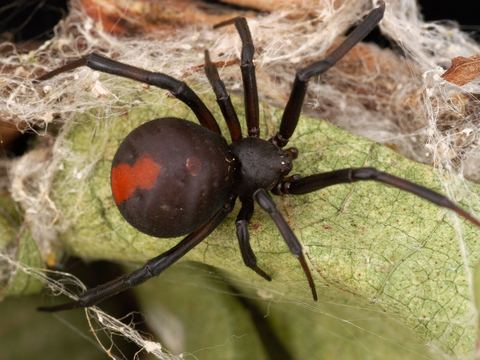
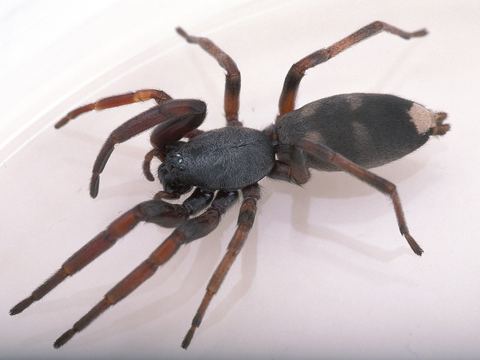
The Australian Museum says Tasmania has only a few huntsman species, and huntsmen aren't considered dangerous anyway. White-tailed spiders are more likely indoors in summer and autumn; healthdirect says current evidence shows their bites don't cause skin ulcers. Redbacks shelter in sheds, under steps and logs, and in rubbish piles.
Funnel-webs live in moist forests from Tasmania to north Queensland, so on the north-west coast a big black spider shouldn't be guessed at. Don't handle it, and if it bites, call 000.
Before winter in Burnie
- Walk the roofline in daylight and note loose tiles, gaps at the eaves and branches touching the roof.
- Store pet food and birdseed in sealed tubs; mice come in looking for shelter as it cools, CSIRO says.
- Stack firewood away from the house and wear gloves when you bring it in.
- Clear junk out of the shed and from under the steps, where redbacks like to shelter.

If it were our place in Burnie
We'd sort the wasp nest first, especially in autumn, then get the roof proofed against possums before winter. Tap what you've found and your postcode, and a local pest business can take it from there.
Want someone to look at it?
Tell us what you've seen and your postcode, and a local pest business that handles exactly that calls you to talk it through.
Questions
Pest control in Burnie: common questions
Can I move a possum out of my shed myself?
Not without the right permit. Burnie City Council says possums are protected and may not be harmed, caught or moved without one. Wait until it goes out at night, close the gaps, and offer a nest box.
Is a big black spider in Burnie a funnel-web?
It could be, so don't try to work it out up close. The Australian Museum says funnel-webs live in moist forests down to Tasmania. Keep away from it, and call 000 after any bite from a big black spider.
Do houses in Burnie need termite inspections?
The National Construction Code says termites aren't considered a risk in Tasmania, so wasps, rodents and possums are the more usual Burnie jobs.
Seen a pest in Burnie? Tell us what it is.
What you have seen, one tap about it and your postcode. Then a local pest business that handles exactly that calls you.
Before anyone starts
The licence rules where you live
Related help
More on pest control in Burnie
 Pest control in TasmaniaTasmania's wasps, the Commercial Operator Licence, possum rules and who to call.Read it
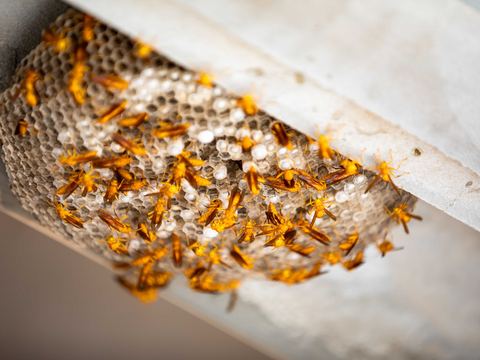 Wasp nest removalWhat to do first, which wasp it is, and why WA reports European wasps.Read it
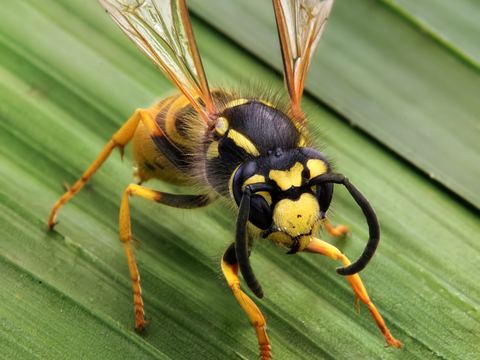 European waspHow to pick a European wasp from a paper wasp, find the nest without getting stung, and the WA report line.Read it
 Possum removalWhy possum jobs are about proofing, and each state's catch and release rules.Read it
 Spider controlWhich spiders matter, what a treatment can and can't do, and what to ask first.Read it
 White tail spiderHow to spot a white tail spider, and what a bite really does.Read it
Where this information comes from
- Department of Natural Resources and Environment Tasmania (Biosecurity Tasmania) European and English wasps, checked 3 November 2026
- Department of Natural Resources and Environment Tasmania (Biosecurity Tasmania) Exotic paper wasps, checked 3 November 2026
- Burnie City Council Living with possums, checked 3 November 2026
- Australian Building Codes Board NCC 2022 Housing Provisions, Part 3.4 Termite risk management, explanatory information, checked 3 November 2026
- Department of Natural Resources and Environment Tasmania (Biosecurity Tasmania) European and English wasps, checked 3 November 2026
- NRE Tasmania Living with brushtail possums, checked 3 November 2026
- Victorian Department of Health (published by the then Department of Health and Human Services) Pest control technical note number 21: European wasps, checked 3 November 2026
- Australian Museum Huntsman spiders, checked 3 November 2026
- Australian Museum Spider facts, checked 3 November 2026
- Australian Museum White-tailed Spider, checked 3 November 2026
- healthdirect Australia Spider bites, checked 3 November 2026
- Australian Museum Redback Spider, checked 3 November 2026
- Australian Museum Australian Funnel-web Spiders, checked 3 November 2026
- CSIRO Mouse plague in Queensland and New South Wales, checked 3 November 2026
- healthdirect Australia Bee and wasp stings, checked 3 November 2026
- healthdirect Australia Spider bites, checked 3 November 2026
Rules and advice change, so check the source before you act on anything here. How we write and check these pages.