
What's different at Coolum
Saltmarsh mosquitoes first
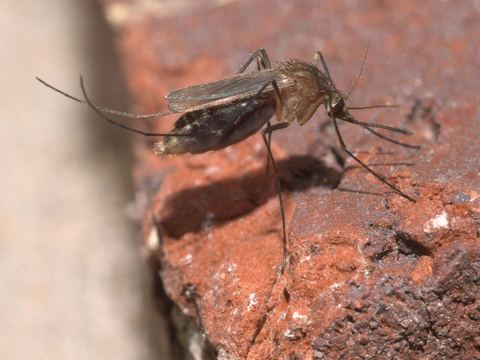
Sunshine Coast Council says the saltmarsh mosquito is the most common species here in December and January, thanks to bushland habitat along Coolum Creek and the upper reaches of the Maroochy River. It typically hits nuisance levels 7 to 10 days after the full and new moon tides.
Then the rain species
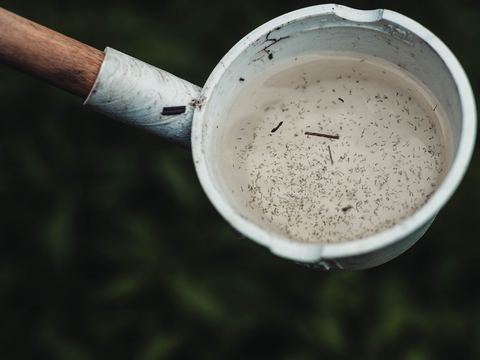
Once summer rains begin, freshwater mosquitoes take over. Aedes funereus comes out of brackish water in the tidal swamp oak and casuarina forests, and Culex annulirostris comes from flooded paddocks and old cane fields directly west of the houses.
Backyards beside the reserves
Both get into yards next to bushland or vegetated creek lines, particularly near the Coolum Creek and Mount Coolum Environment Reserves. The council calls those areas the most productive for mosquitoes.
What the council can't reach
It does up to 12 larvicide treatments a season, but says numbers are hard to bring down in peak periods. Thick vegetation and stagnant water sit across the floodplain, including on private land it doesn't treat.
When it's at its worst
The council's sheet for Coolum Beach, Mount Coolum and Yaroomba records high levels from December to April, peaking in January, February and March. From June to September numbers are typically very low, so winter is the time for the dull jobs: screens, drains and gutters.
Its own advice is to screen all windows and doorways, and to remove temporary or stagnant water around the home each week. Stay in at dawn and dusk during the peak if you can.
Be careful with a mosquito quote that
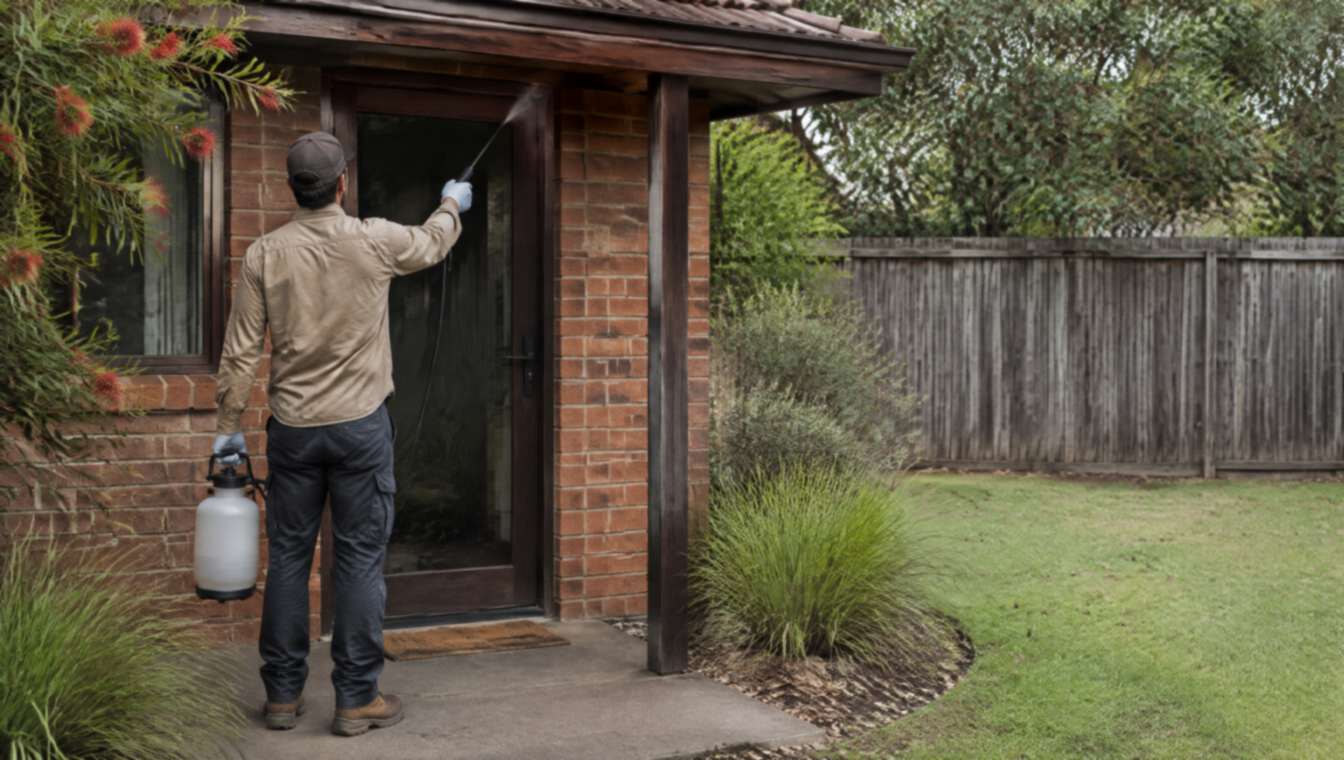
- Promises one yard spray will stop saltmarsh mosquitoes that can fly 10 km or more.
- Ignores the water sitting on your own block.
- Won't give you the full product name, or say where it's going.
- Doesn't say in writing what result to expect, and for how long.
Houses, units and termites
Coolum is mostly houses, with some units and holiday stays around the beachfront. Stumers Creek runs through the area, and sections of Noosa National Park and Mount Coolum National Park frame it to the north and south. Yards near that bush can expect possums, rats and spiders as well as mosquitoes.
On a house, the pest inspection worth keeping up is a termite inspection, and the QBCC advises having one each year. The inspector needs to see where the slab or stumps meet the soil, so pull back mulch and anything stored against the walls. If you're buying, read our pre purchase page.
If something turns up, see termites on the Sunshine Coast. And if you think you've found fire ants, report them to Biosecurity Queensland within 24 hours. It's a legal duty in Queensland, and it comes before anything else.

Our take on Coolum
Accept that you can't spray your way out of a floodplain. Get the screens right, clear the water you control, and save your money for the things a pest controller can actually change, starting with that yearly termite inspection.
Want someone to look at it?
Tell us what you've seen and your postcode, and a local pest business that handles exactly that calls you to talk it through.